Some appliances need a dedicated circuit because they use a lot of electricity and may overload a shared circuit. Electric dryers, ranges, air conditioners, heat pumps, and some built-in microwaves are common examples.
Not every appliance needs its own circuit. The right setup depends on the appliance’s power requirements, the manufacturer’s instructions, and the electrical system in your home.
If you’re adding a new appliance in your Canton, TX home, check its electrical requirements before connecting it to an existing circuit. This can help prevent repeated breaker trips and other electrical problems.
What Is a Dedicated Circuit?
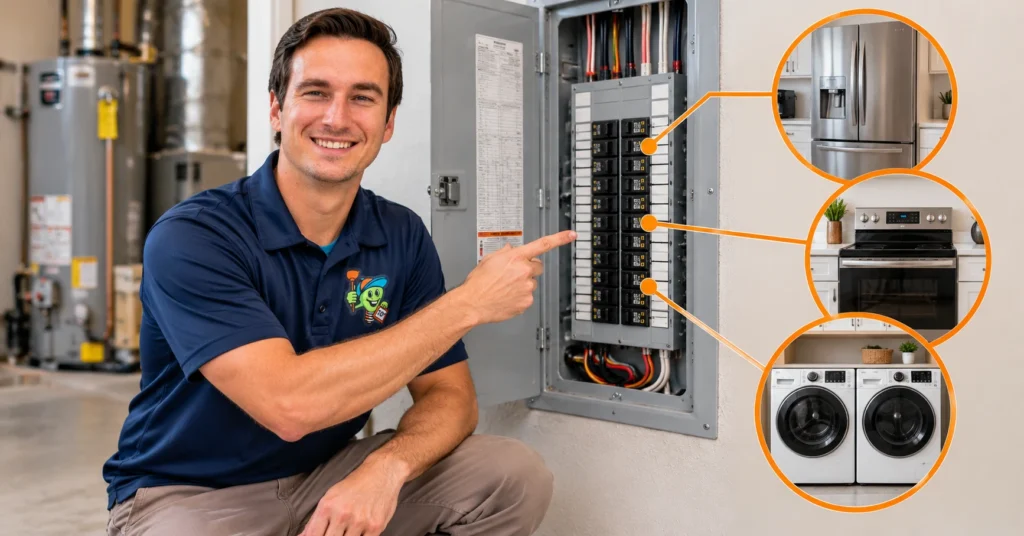
A dedicated circuit is an electrical circuit that provides power to one appliance or piece of equipment. It has its own breaker in the electrical panel and is designed to handle that appliance’s electrical load.
High-power appliances can use much more electricity than smaller household devices. For example, an electric dryer needs far more power than a small countertop appliance.
When several high-demand appliances share the same circuit, the circuit can become overloaded and the breaker may trip. A dedicated circuit gives an appliance the electrical capacity it needs without sharing that load with other devices.
Which Appliances Need a Dedicated Circuit?
High-power appliances are the most likely to need a dedicated circuit, but the exact requirement depends on the appliance and its electrical specifications. Always check the manufacturer’s instructions before connecting an appliance to an existing circuit.
Does a Refrigerator Need a Dedicated Circuit?
A refrigerator may need a dedicated circuit depending on its electrical requirements and the other loads on the circuit. The compressor can draw extra current when it starts, so sharing the circuit with several other appliances may cause problems.
Check the refrigerator manufacturer’s installation instructions before deciding whether it can share a circuit.
Does an Electric Range or Oven Need a Dedicated Circuit?
An electric range or oven typically needs a dedicated circuit because it can use a large amount of electricity. The heating elements can draw significant power when multiple burners or the oven are running.
The required circuit depends on the appliance’s electrical rating. If you’re replacing an electric range or oven, have the existing circuit checked before installation.
Does an Electric Dryer Need Its Own Circuit?
An electric dryer generally needs a dedicated circuit because its heating element requires a substantial amount of power. It should not share a circuit with other high-demand appliances.
The circuit also needs to match the dryer’s electrical requirements. Check the manufacturer’s specifications before installation.
Does a Washing Machine Need a Dedicated Circuit?
A washing machine may need a dedicated circuit depending on the installation and applicable electrical requirements. A washer typically uses less power than an electric dryer, but its motor and other components still create an electrical load.
If the washer shares a circuit and the breaker trips repeatedly, have the circuit checked. The manufacturer’s instructions can also tell you what electrical setup the washer requires.
Does a Dishwasher Need a Dedicated Circuit?
A dishwasher may need a dedicated circuit depending on the model and installation requirements. It uses electricity for the motor, pump, controls, and, in some models, a heating element.
Check the dishwasher’s installation instructions before connecting it to an existing circuit.
Does a Garbage Disposal Need a Dedicated Circuit?
A garbage disposal does not always need a dedicated circuit, but the circuit must be able to safely handle its electrical load. The motor can draw extra current when it starts.
Whether it can share a circuit depends on the disposal, the other loads connected to the circuit, and the installation requirements.
Does a Microwave Need a Dedicated Circuit?
A built-in or high-powered microwave may need a dedicated circuit because it can draw significant electrical current. Smaller countertop microwaves may have different requirements depending on their power rating and the circuit they use.
If the microwave trips the breaker when other appliances are running, have the circuit checked.
Does HVAC Equipment Need a Dedicated Circuit?
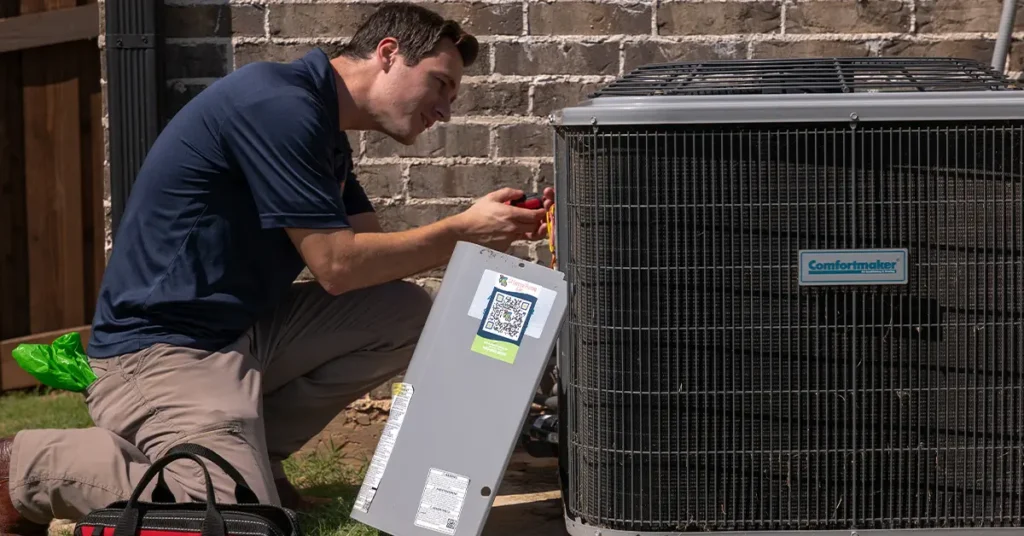
Air conditioners, heat pumps, and other HVAC equipment commonly need dedicated circuits because they can have high electrical demands. Compressors and motors can also draw more current when they start.
The required circuit depends on the specific equipment and its electrical rating. If you’re installing or replacing HVAC equipment, have the electrical circuit checked as part of the installation.
How Do I Know if an Appliance Needs Its Own Circuit?
An appliance may need its own circuit when the manufacturer requires one, the appliance uses a lot of electricity, or the existing circuit cannot safely handle the load. The easiest place to start is the appliance’s installation manual or electrical rating label.
Watch for these signs that the existing circuit may not be suitable:
- The breaker trips when the appliance runs
- Lights dim or flicker when the appliance starts
- Several high-power appliances share the same circuit
- An outlet or plug feels unusually warm
- The appliance shuts off when another appliance starts
- The manufacturer’s instructions call for a dedicated circuit
A breaker that trips once does not always mean you need a new circuit. However, if your circuit breaker keeps tripping, repeated trips or other warning signs should be checked.
If you’re unsure, an electrician can inspect the electrical panel, wiring, and circuit load to determine whether the appliance needs a dedicated circuit.
What Happens If an Appliance Does Not Have a Dedicated Circuit?
An appliance connected to an unsuitable shared circuit can cause breaker trips, overheating, or other electrical problems. The risk depends on how much power the appliance uses and what else is connected to the same circuit.
You may notice:
- Breakers tripping frequently
- Lights flickering or dimming when the appliance runs
- Warm outlets or plugs
- The appliance shutting off or not working properly
- Burning or unusual electrical smells
- Buzzing from an outlet or electrical panel
An occasional breaker trip does not always mean the appliance needs a dedicated circuit. However, repeated trips are a sign that the circuit should be checked.
Do not try to fix the problem by installing a larger breaker. The breaker, wiring, and appliance must be properly matched. A qualified electrician can determine whether the circuit needs to be repaired, upgraded, or replaced with a dedicated circuit.
If several high-power appliances are connected to the same electrical system, knowing the signs of an overloaded electrical panel can help you recognize when the system needs to be inspected.
Can Two Appliances Share the Same Circuit?
Two appliances can share a circuit in some situations, but high-power appliances often need separate circuits. Whether they can safely share depends on the total electrical load and the circuit’s capacity.
Several factors affect the answer:
- The electrical load of each appliance
- The circuit’s rating
- The size and condition of the wiring
- Other devices already connected to the circuit
- The appliance manufacturer’s requirements
- Applicable electrical requirements
For example, two small appliances may place a relatively low load on a circuit. An electric dryer and another high-power appliance can place much more demand on the same circuit.
If you’re unsure whether two appliances can safely share a circuit, have a qualified electrician inspect the setup before using them together.
When Should I Call an Electrician?
You should call an electrician if an appliance keeps tripping the breaker, needs a new circuit, or you are unsure whether the existing wiring can safely handle its electrical load. Getting the circuit checked before installing a high-power appliance can help prevent electrical problems.
An electrician can help when you are:
- Installing a new high-power appliance
- Adding a dedicated circuit
- Upgrading an electrical panel
- Replacing an electric range or dryer
- Installing new HVAC equipment
- Dealing with repeated breaker trips
- Finding hot outlets or plugs
- Noticing lights flicker when an appliance starts
- Smelling burning or seeing scorch marks
- Dealing with older electrical wiring
An electrician can check the appliance requirements, electrical panel, circuit, wiring, and connections to determine whether the existing setup is suitable.
If you need electrical work in Canton, TX, G4 Electrical can help with electrical services in Canton, TX.
Frequently Asked Questions
Does a refrigerator need a dedicated circuit?
A refrigerator may need a dedicated circuit depending on its electrical requirements and the other loads on the circuit. Check the manufacturer’s installation instructions before connecting it to an existing circuit.
Does a washing machine need its own circuit?
A washing machine may need its own circuit depending on the installation and electrical requirements. Check the washer’s specifications before connecting it to a shared circuit.
Does a dishwasher need a dedicated circuit?
A dishwasher may require a dedicated circuit depending on the model and installation requirements. Check the manufacturer’s instructions to determine the correct setup.
Does an electric dryer need its own circuit?
Yes, an electric dryer generally needs a dedicated circuit because it uses a significant amount of electricity. The circuit must also match the dryer’s electrical requirements.
Does an AC unit need a dedicated circuit?
An air conditioner typically needs a dedicated circuit because its compressor and other components can draw substantial electrical current. The exact requirements depend on the specific HVAC equipment.
Can a microwave and refrigerator share a circuit?
A microwave and refrigerator may be able to share a circuit in some setups, but the circuit must have enough capacity for both appliances. If the breaker trips when they run together, have the circuit inspected.
What appliances usually require dedicated circuits?
High-power appliances such as electric ranges, electric dryers, air conditioners, heat pumps, and some built-in microwaves commonly require dedicated circuits. Always check the specific appliance’s electrical requirements before installation.
Final Thoughts
Not every appliance in your Canton, TX home needs a dedicated circuit, but high-power appliances often have specific electrical requirements. Electric dryers, ranges, air conditioners, heat pumps, and other high-demand appliances can place a heavy load on a circuit.
Before installing a new appliance, check its electrical requirements and make sure the existing circuit can handle the load. If the breaker keeps tripping, an outlet feels hot, or you are unsure whether the appliance needs its own circuit, have a qualified electrician inspect the setup.
Using the right circuit for each appliance can help prevent electrical problems and keep your home’s electrical system operating safely.