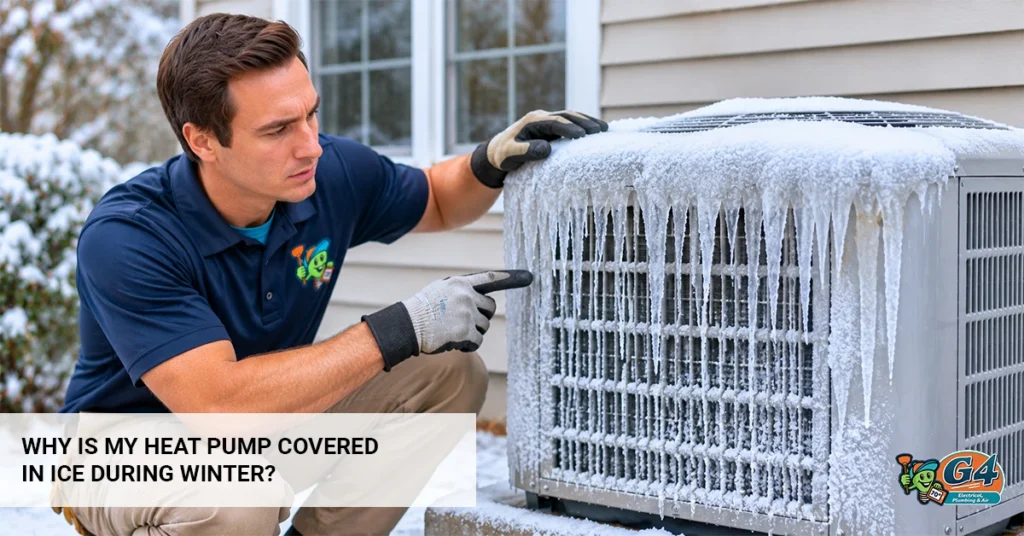
Seeing ice on your outdoor heat pump during winter can be worrying. But don’t panic. A little frost on the outdoor unit is normal when temperatures drop. As your heat pump pulls heat from the outdoor air, moisture collects on the cold coil and can freeze.
Fortunately, most heat pumps have an automatic defrost cycle that melts this frost and keeps the system running properly. However, if thick ice keeps building up, covers the outdoor coil, or blocks the fan, something may be wrong.
Several problems can cause excessive ice buildup, including a faulty defrost system, dirty air filters, blocked airflow, or low refrigerant levels. Some issues are easy to check, while others need help from an HVAC technician.
In this guide, you’ll learn why your heat pump freezes in winter, how to tell normal frost from a serious problem, and what you can do to prevent ice buildup.
Is It Normal for a Heat Pump to Have Ice on It in Winter?
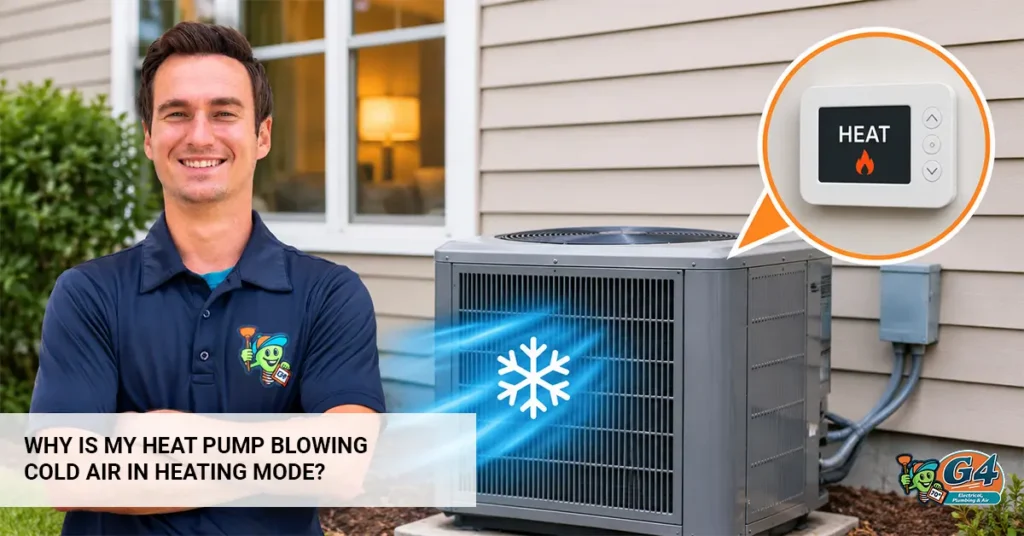
Yes, a thin layer of frost on your heat pump’s outdoor coil is normal during winter. This happens when the system pulls heat from the cold outdoor air. As a result, moisture in the air can freeze on the coil.
Fortunately, most modern heat pumps have an automatic defrost cycle. This feature melts the frost and helps the system continue working properly. Excessive ice buildup can also affect your system’s heating performance. Learn more about common reasons your heat pump is not heating properly.
During defrost, the outdoor fan may stop temporarily. You might also notice water dripping underneath the unit or steam rising around it. Don’t worry. These are normal signs of the defrost process.
However, thick ice that keeps building up is a different story. If ice covers most of the outdoor coil, blocks the fan, or remains after several defrost cycles, your heat pump may have a problem.
In that case, check the area around the unit for snow or debris. Also, look for changes in heating performance. If the ice doesn’t melt or keeps coming back, contact an HVAC technician to inspect the system.
What Does Normal Frost on a Heat Pump Look Like?
Normal frost on a heat pump looks like a thin, white coating on parts of the outdoor coil. It usually appears during cold, damp weather and melts when the system starts its automatic defrost cycle.
You may also notice a few other signs:
- Light frost on the coil: A thin layer of white frost forms on the outdoor coil during heating.
- Water dripping underneath: Melted frost drains from the outdoor unit during defrost.
- Steam rising from the unit: You may see a cloud of steam as the heat melts the frost.
- Outdoor fan stopping briefly: The fan may stop while the system runs its defrost cycle.
- Normal heating resumes: Once defrost finishes, the heat pump returns to regular heating.
These signs usually mean your heat pump is working as expected. So, you don’t need to worry about a little frost during winter.
When Is Ice Buildup a Sign of a Problem?
Ice buildup becomes a problem when it keeps growing, covers the outdoor coil, or stops the heat pump from working properly. Unlike normal frost, thick ice may not melt during the automatic defrost cycle.
Watch for these warning signs:
- Thick ice on the outdoor coil: Large sections of the coil become covered in solid ice.
- Ice around the fan: Ice blocks the fan blades or prevents them from spinning.
- Frost that won’t melt: Ice continues building up even after several defrost cycles.
- Weak heating: Your heat pump struggles to keep your home warm.
- Unusual noises: You hear grinding, buzzing, or other strange sounds from the outdoor unit.
- Long heating cycles: The system runs for long periods but cannot reach the thermostat’s set temperature.
If you notice any of these signs, don’t ignore them. Turn off the system if ice blocks the fan or interferes with its operation. Then, contact an HVAC technician to find the cause and prevent further damage.
7 Common Reasons Your Heat Pump Is Covered in Ice During Winter
Your heat pump can become covered in ice for several reasons, including a faulty defrost cycle, poor airflow, dirty coils, or low refrigerant levels. Some problems are easy to fix with basic maintenance. However, others need professional HVAC repairs.
Here are seven common reasons your heat pump may keep freezing up during winter.
1. A Malfunctioning Defrost Cycle
A faulty defrost cycle can cause your heat pump to develop thick layers of ice on its outdoor coil. This happens when the system cannot melt the frost that naturally forms during winter.
Your heat pump has an automatic defrost system that removes frost from the outdoor coil. It monitors operating conditions and activates when the coil needs to warm up. This process helps maintain proper airflow and heat transfer.
However, if the defrost system stops working, frost can keep building up. Over time, it may turn into thick ice and affect your heat pump’s performance.
Several faulty components can cause this problem:
- Defrost control board: Controls when the heat pump enters and exits defrost mode. If it fails, the system may not start the defrost cycle when needed.
- Temperature sensors: Monitor outdoor coil temperatures. Incorrect readings can prevent the system from detecting frost properly.
- Defrost thermostat: On systems that use one, this component helps determine when defrost operation is needed.
- Electrical connections: Loose wires or damaged connections can interrupt the defrost system and prevent it from working correctly.
If your heat pump keeps freezing and the ice doesn’t melt during normal defrost operation, the system may need professional attention.
An HVAC technician can test the defrost controls, check the sensors, and inspect the electrical connections. Once they find the faulty component, they can repair or replace it to restore normal operation.
2. Dirty or Clogged Air Filters
A dirty air filter can restrict airflow and make your heat pump work harder to keep your home comfortable. When air cannot move freely through the system, heating performance may drop, and the system may develop other operating problems.
Your heat pump needs proper airflow to transfer heat efficiently. However, dust, pet hair, and other particles can build up in the air filter over time. As the filter gets clogged, less air passes through the system.
A dirty filter does not usually cause ice on the outdoor unit directly. However, it can affect overall system performance and contribute to coil icing under certain conditions.
Here are some common signs of a clogged air filter:
- Weak airflow: Less warm air comes through your indoor vents.
- Longer heating cycles: Your heat pump runs longer to reach the thermostat’s set temperature.
- Higher energy use: The system may use more energy because it has to work harder.
- Dust around air vents: You may notice more dust collecting near your registers.
- Poor indoor comfort: Some rooms may feel colder than others.
Check your air filter regularly, especially during winter when your heating system runs more often. If the filter looks dirty, replace it with the correct size and type recommended by the manufacturer.
Most homes need a new filter every one to three months. However, the right schedule depends on your filter type, pets, indoor dust, and how often you use your system.
After replacing the filter, monitor your heat pump’s performance. If the outdoor unit continues developing thick ice, there may be another problem that needs an HVAC technician’s attention.
3. Blocked Airflow Around the Outdoor Unit
Blocked airflow around your outdoor heat pump can make it harder for the system to pull heat from the surrounding air. As a result, the unit may struggle to transfer heat properly and develop excessive frost or ice.
Your heat pump needs plenty of open space to move air through its outdoor coil. However, snow, leaves, branches, dirt, and other debris can block the airflow. During winter, heavy snowfall can also cover parts of the unit or block its air intake and discharge.
Here are a few things you can do to prevent airflow problems:
- Clear loose snow: Remove snow around the outdoor unit, especially near the air intake and discharge.
- Remove leaves and debris: Keep the area around the unit free from leaves, dirt, and other obstructions.
- Trim nearby vegetation: Cut back bushes and branches that grow too close to the equipment.
- Maintain proper clearance: Leave enough open space around the unit according to the manufacturer’s recommendations.
- Check for snow buildup: Make sure snow does not block the outdoor coil or ventilation openings.
Also, avoid placing objects or storage items near the heat pump. Never cover an operating unit with a tarp or plastic sheet because it needs a steady flow of outdoor air.
A quick check after heavy snowfall can help prevent blocked airflow and keep your heat pump running properly throughout winter.
4. Low Refrigerant Levels
Low refrigerant levels can cause your heat pump to develop ice on its outdoor coil and struggle to heat your home. This usually happens when refrigerant leaks from the system and affects its normal operation.
Your heat pump uses refrigerant to transfer heat between the indoor and outdoor coils. During winter, it pulls heat from the outdoor air and moves it inside your home. However, when refrigerant levels drop, the system may not transfer heat properly.
As a result, you may notice several warning signs:
- Ice on the outdoor coil: The coil may develop unusual frost or ice buildup.
- Reduced heating: Your heat pump may struggle to keep your home warm.
- Longer operating cycles: The system may run longer without reaching the desired temperature.
- Unusual noises: You may hear hissing or bubbling sounds if refrigerant is leaking.
- Higher energy bills: The system may use more energy while trying to maintain indoor comfort.
Keep in mind that refrigerant does not normally get used up during regular operation. If the level is low, there may be a leak or another problem that needs attention.
An HVAC technician can check the refrigerant levels, inspect the system for leaks, and recommend the right repair. If they find a leak, they should fix it before recharging the system.
Never try to add refrigerant yourself. Handling refrigerant requires proper tools, training, and professional knowledge. A qualified technician can handle the repair safely and help your heat pump return to normal operation.
5. A Faulty Outdoor Fan Motor
A faulty outdoor fan motor can cause your heat pump to develop excessive frost or ice during winter. This happens because the fan cannot move enough air across the outdoor coil, making it harder for the system to transfer heat.
Your heat pump relies on the outdoor fan to pull air through the coil. This airflow helps the system absorb heat from the surrounding air. However, if the fan motor stops working or runs too slowly, the unit may not operate properly.
Here are some common signs of an outdoor fan motor problem:
- The fan stops spinning: The outdoor fan does not run during normal heating operation.
- Unusual noises: You hear humming, grinding, or buzzing sounds near the outdoor unit.
- Unsteady fan operation: The fan starts and stops unexpectedly.
- Ice around the coil: Frost or ice builds up because the system cannot exchange heat properly.
- Poor heating performance: Your heat pump struggles to keep your home warm.
However, don’t assume the fan motor is faulty just because the fan stops temporarily. Many heat pumps turn off the outdoor fan during their automatic defrost cycle. This is a normal part of operation.
If the fan fails to run when it should, or ice blocks the fan blades, turn off the system if necessary and contact an HVAC technician. A professional can inspect the motor, wiring, and other components to find the cause and recommend the right repair.
6. Dirty Outdoor Coils
Dirty outdoor coils can make it harder for your heat pump to absorb heat from the surrounding air. When dirt and debris collect on the coil, they restrict airflow and reduce the system’s ability to transfer heat.
Your heat pump’s outdoor coil plays an important role in heating your home. It absorbs heat from outdoor air and transfers it through the refrigerant. However, dust, leaves, dirt, and other debris can build up on the coil over time.
As a result, your heat pump may struggle to operate efficiently. In cold weather, poor heat transfer can also contribute to abnormal frost buildup.
Here are some common signs that your outdoor coil may be dirty:
- Visible dirt and debris: You notice dust, leaves, or other buildup on the coil.
- Reduced heating performance: Your heat pump struggles to keep your home warm.
- Longer heating cycles: The system runs longer to reach the desired temperature.
- Excessive frost: Frost builds up more than usual on the outdoor coil.
- Higher energy bills: Your heat pump may use more energy to maintain indoor comfort.
Regular maintenance helps keep the outdoor coil clean and allows your heat pump to work properly. Check the unit occasionally and remove loose leaves or debris from around it.
However, avoid using sharp tools or high-pressure water to clean the coil. Its thin metal fins can bend or become damaged easily. If dirt has built up inside the coil, ask an HVAC technician to clean it safely.
7. Faulty Thermostat or Temperature Sensors
A faulty thermostat or temperature sensor can cause your heat pump to operate incorrectly and develop excessive ice during winter. This happens when the system receives inaccurate temperature readings and cannot respond properly to changing conditions.
Your heat pump uses a thermostat to control indoor temperatures. It also relies on sensors to monitor outdoor conditions and manage the defrost cycle.
However, if a sensor sends the wrong information, the system may not activate defrost mode when needed. As a result, frost can continue building up on the outdoor coil.
Watch for these common warning signs:
- Incorrect temperature readings: Your thermostat displays a temperature that doesn’t match how your home feels.
- Unexpected heating cycles: The heat pump starts or stops without a clear reason.
- Frequent system changes: Your unit switches between operating modes more often than usual.
- Excessive frost buildup: Ice continues collecting on the outdoor coil without clearing.
- Uneven indoor temperatures: Some rooms feel warmer or colder than others.
Start by checking your thermostat settings. Make sure it’s set to Heat and replace the batteries if needed. Also, check for loose thermostat settings or an error message on the display.
If the problem continues, contact an HVAC technician. They can test the thermostat, temperature sensors, wiring, and defrost controls to find the cause and get your heat pump working properly again.
How to Tell If Your Heat Pump Has Normal Frost or Excessive Ice
You can tell the difference between normal frost and excessive ice by looking at how much ice forms and whether it melts during the defrost cycle. A thin layer of frost is usually normal during winter. However, thick ice that keeps building up may indicate a problem.
Your heat pump naturally collects frost when it pulls heat from cold outdoor air. Fortunately, the automatic defrost cycle usually melts this frost and allows the system to keep running.
Use the table below to compare normal winter frost with problematic ice buildup.
| Normal winter frost | Problematic ice buildup |
| Thin layer of white frost | Thick layers of solid ice |
| Forms during cold, humid weather | Continues building up over time |
| Melts during the defrost cycle | Remains after defrost attempts |
| Water may drip beneath the unit | Ice may block the fan or outdoor coil |
| Heating usually works normally | Heating performance may decrease |
| Occasional steam during defrost | Persistent freezing and unusual operation |
In most cases, a little frost is nothing to worry about. Your heat pump should remove it automatically during normal operation.
However, don’t ignore thick ice that covers the outdoor coil or blocks the fan. It can restrict airflow and affect heating performance. If the ice doesn’t melt or keeps coming back, contact an HVAC technician to inspect your system.
What Should You Do When Your Heat Pump Is Covered in Ice?
If your heat pump is covered in ice, start by checking the defrost cycle, air filter, and area around the outdoor unit. These simple checks can help you spot common problems. However, if thick ice keeps building up or affects the fan, you’ll need an HVAC technician to inspect the system.
Before doing anything, remember that a thin layer of frost is normal during winter. You only need to take action when the ice becomes excessive or affects normal operation.
Follow these steps to check your heat pump safely.
1. Check Whether the Defrost Cycle Is Working
Check whether your heat pump is removing frost through its automatic defrost cycle. This process should melt the frost that naturally forms on the outdoor coil during winter.
During defrost, you may notice a few changes:
- The outdoor fan stops temporarily: Many heat pumps turn off the outdoor fan while defrosting.
- Water drips from the unit: Melted frost drains from the outdoor coil.
- Steam rises around the unit: You may see steam as the warm coil melts the frost.
- The system sounds different: Your heat pump may briefly change its operating sound during defrost.
These signs usually mean the defrost cycle is working normally. Once the cycle finishes, the system should return to regular heating.
However, if thick ice remains on the outdoor coil or continues building up, the defrost system may not be working properly. In that case, contact an HVAC technician to inspect the controls, sensors, and other related components.
2. Replace a Dirty Air Filter
Replacing a dirty air filter can help restore proper airflow and improve your heat pump’s heating performance. A clogged filter makes it harder for air to move through the indoor system, which can affect overall operation.
Start by locating the air filter inside your HVAC system or return air vent. Remove it and check for dust, dirt, and pet hair. If the filter looks clogged, replace it with the correct size and type recommended by your manufacturer.
Before installing the new filter, keep these points in mind:
- Check the filter size to make sure it fits properly.
- Follow the airflow arrows printed on the filter.
- Make sure the filter sits securely in its slot.
- Avoid using a filter that doesn’t match your system’s requirements.
After replacing the filter, monitor your heat pump’s performance. You should notice better airflow if the old filter was restricting it.
However, remember that a dirty air filter is not usually the direct cause of ice on the outdoor unit. If thick ice continues to build up, your heat pump may have another problem that needs professional attention.
3. Remove Snow and Debris Around the Outdoor Unit
Clearing snow and debris around your outdoor heat pump can help restore proper airflow. When snow, leaves, or other objects block the unit, it becomes harder for the system to pull in outdoor air and transfer heat.
Start by checking the area around the unit. Remove loose snow, leaves, branches, and other debris that may block the air intake or discharge.
Keep these points in mind:
- Clear loose snow from around the outdoor unit.
- Keep the air intake and discharge openings free from obstructions.
- Remove leaves and other debris from nearby areas.
- Maintain the clearance recommended by the manufacturer.
Also, be careful when working near the outdoor coil. Its aluminum fins and refrigerant tubing can be easily damaged. Never use a shovel, metal tool, or sharp object to remove ice or snow directly from the coil.
4. Check Your Thermostat Settings
Checking your thermostat settings can help rule out simple control problems that affect your heat pump’s operation. Incorrect settings may prevent the system from heating your home as expected.
Take a moment to check the following:
- Heating mode: Make sure your thermostat is set to Heat.
- Temperature setting: Set the temperature to a comfortable level.
- Battery condition: Replace the batteries if your thermostat uses them and the battery is low.
- Error messages: Check the display for warning messages or system alerts.
If everything looks correct, monitor your heat pump to see whether it returns to normal operation.
However, avoid switching repeatedly between heating and cooling modes to melt ice. Your heat pump’s automatic defrost system is designed to remove normal frost. If thick ice remains, the system may need professional inspection.
5. Turn Off the System and Contact an HVAC Technician if Necessary
If thick ice covers the outdoor coil, blocks the fan, or prevents your heat pump from operating properly, turn off the system if necessary and contact an HVAC technician.
Continuing to run a heat pump with a blocked fan or severe ice buildup can put extra strain on its components. A professional can inspect the unit, identify the cause, and recommend the right repair.
While waiting for service, avoid trying to remove the ice yourself. Never attempt to:
- Chip away ice: Sharp tools can damage the outdoor coil and refrigerant tubing.
- Force the fan to spin: This can damage the fan motor or cause injury.
- Pour hot or boiling water over the unit: Sudden temperature changes can damage components, and the water may freeze again.
- Open electrical compartments: Electrical components can be dangerous without proper training.
- Repair refrigerant lines: Refrigerant work requires specialized tools and professional knowledge.
If you’re unsure whether your heat pump is safe to operate, follow the manufacturer’s instructions and ask an HVAC professional for advice.
Can You Run a Heat Pump When It Is Covered in Ice?
Yes, you can usually run your heat pump when it has a thin layer of frost on the outdoor coil. This is a normal part of winter operation, and the automatic defrost cycle should melt the frost.
However, thick ice buildup is a different problem. It can block airflow, prevent the outdoor fan from spinning, and reduce the system’s ability to transfer heat. If you keep running the unit under these conditions, you may put extra strain on its components.
Here’s what to do in different situations:
- Thin frost on the coil: Let the automatic defrost cycle remove it. You usually don’t need to turn off the system.
- Temporary frost during cold weather: Monitor the unit and make sure the frost clears during defrost.
- Thick ice around the coil: Contact an HVAC technician to inspect the system.
- Ice blocking the outdoor fan: Turn off the heat pump and arrange professional service.
- Poor heating with persistent ice: Have a technician diagnose the problem before continuing normal operation.
So, don’t panic if you see a little frost on your outdoor unit. That’s normal in winter. However, if thick ice keeps building up or affects the fan and heating performance, don’t ignore it. Getting the problem checked early can help prevent further damage.
How Does a Heat Pump Defrost Cycle Work?
A heat pump defrost cycle automatically melts frost and ice from the outdoor coil during winter. It helps your system maintain proper airflow, transfer heat efficiently, and continue heating your home.
During heating mode, your heat pump pulls heat from the outdoor air. As a result, moisture can freeze on the cold outdoor coil. When frost builds up, it makes heat transfer more difficult.
To fix this, the heat pump temporarily changes how it operates. It sends warm refrigerant through the outdoor coil to melt the accumulated frost. Once the frost clears, the system returns to normal heating.
Why Does a Heat Pump Need a Defrost Cycle?
A heat pump needs a defrost cycle because frost naturally forms on its outdoor coil during cold, damp weather.
While heating your home, the outdoor coil becomes colder than the surrounding air. When moisture in the air touches the coil, it can freeze and form a layer of frost.
Over time, this frost can block airflow and make it harder for the system to absorb heat. As a result, your heat pump may lose heating efficiency and struggle to keep your home comfortable.
The automatic defrost cycle removes this buildup before it becomes a bigger problem. It helps your heat pump maintain proper heat transfer and operate normally throughout winter.
What Happens During the Defrost Cycle?
Most conventional air-source heat pumps use a reverse-cycle defrost process to melt frost from the outdoor coil.
Here’s how the process works:
- Frost detection: The system monitors outdoor conditions and sensor readings to determine when defrost is needed.
- Mode change: The reversing valve changes the refrigerant flow, allowing warm refrigerant to reach the outdoor coil.
- Frost melting: Heat from the refrigerant warms the coil and melts the accumulated frost.
- Water drainage: The melted frost turns into water and drains beneath the outdoor unit.
- Normal heating resumes: Once defrost finishes, the system switches back to regular heating.
During this process, you may notice the outdoor fan stopping, water dripping, or steam rising around the unit. These are usually normal signs of defrost operation.
Some heat pumps may also produce slightly cooler air indoors during defrost. However, systems with auxiliary heat can use it to help maintain indoor comfort.
How Long Should a Heat Pump Defrost Cycle Last?
A typical heat pump defrost cycle lasts several minutes, although the exact time depends on the equipment, outdoor temperature, humidity, and amount of frost.
Once the cycle finishes, your heat pump should automatically return to normal heating operation.
However, pay attention if your system behaves differently. These signs may indicate a problem:
- The heat pump enters defrost mode unusually often.
- The defrost cycle lasts much longer than normal.
- Thick ice remains on the outdoor coil after defrost.
- The system struggles to produce enough heat.
- You notice unusual noises during defrost.
If you notice these problems, contact an HVAC technician. They can inspect the defrost controls, temperature sensors, and other components to determine why your heat pump isn’t removing frost properly.
How to Prevent Ice Buildup on Your Heat Pump During Winter
You can reduce excessive ice buildup on your heat pump by keeping the outdoor unit clear, replacing dirty air filters, and scheduling regular HVAC maintenance. Following a regular HVAC maintenance checklist can help identify potential problems early and keep your heating system operating efficiently.
Although you cannot stop all frost from forming during winter, these simple steps can help your system run properly and prevent avoidable problems.
Here are six practical ways to protect your heat pump during cold weather.
Keep the Outdoor Unit Clear of Snow and Debris
Keeping snow and debris away from your outdoor heat pump helps maintain proper airflow. When snow, leaves, or branches block the unit, the system may struggle to transfer heat.
After heavy snowfall, check the area around your heat pump. Remove loose snow and clear any debris that could block the air intake or discharge.
Also, follow these simple tips:
- Keep the area around the unit free from leaves and branches.
- Trim nearby bushes and vegetation.
- Maintain the clearance recommended by the manufacturer.
- Check for snow buildup around the outdoor coil.
Never cover an operating heat pump with a tarp or plastic sheet. The unit needs open airflow to work properly.
Replace Air Filters Regularly
Replacing your air filters regularly helps maintain proper airflow and keeps your heat pump working efficiently.
Over time, dust, pet hair, and other particles collect inside the filter. A clogged filter makes it harder for air to move through your HVAC system.
Check your air filter at least once a month, especially during periods of heavy heating use. If it looks dirty, replace it with the correct size and type recommended by the manufacturer.
Also, follow the filter manufacturer’s replacement instructions. Clean filters help reduce airflow problems and unnecessary strain on your system.
Schedule Professional HVAC Maintenance
Regular HVAC maintenance helps identify small problems before they turn into expensive repairs. A technician can inspect your heat pump and make sure its heating and defrost systems are working properly.
During a professional inspection, the technician may:
- Check the automatic defrost system.
- Inspect electrical connections.
- Test temperature sensors.
- Check refrigerant pressures.
- Inspect the outdoor fan motor.
- Clean the outdoor coil if needed.
- Test overall heating performance.
Schedule maintenance at least once a year or follow the manufacturer’s recommended service schedule. Learn how often you should service your HVAC system to maintain reliable heating and cooling performance throughout the year. Regular inspections can help your heat pump stay reliable throughout winter.
Keep the Outdoor Coil Clean
A clean outdoor coil helps your heat pump transfer heat more effectively. However, dirt, leaves, dust, and other debris can collect on the coil and interfere with airflow.
Check the outdoor unit occasionally for visible dirt or debris. Remove loose leaves and keep the surrounding area clean.
If the coil has heavy dirt buildup, ask an HVAC technician to clean it. Avoid using sharp tools or high-pressure water because they can bend the delicate aluminum fins and damage the coil.
Check Drainage Around the Heat Pump
Proper drainage helps prevent melted frost from collecting and freezing around your outdoor heat pump.
During the defrost cycle, frost melts and water drains from the outdoor coil. If that water cannot drain away, it may freeze beneath the unit and create a thick layer of ice.
To prevent drainage problems:
- Keep the area beneath the unit clear.
- Remove debris that may block water drainage.
- Make sure water can flow away from the equipment.
- Check for ice buildup beneath the outdoor unit.
Follow the manufacturer’s installation and drainage recommendations. If water regularly collects around the unit, ask an HVAC technician to inspect the drainage area.
Monitor Heating Performance and Defrost Operation
Paying attention to your heat pump’s performance can help you catch problems early. Changes in heating, unusual noises, or repeated ice buildup may indicate that something isn’t working properly.
During winter, watch for these warning signs:
- Thick ice repeatedly forms on the outdoor coil.
- The heat pump struggles to keep your home warm.
- The outdoor fan makes unusual noises.
- The system enters defrost mode more often than usual.
- Ice remains on the unit after defrost.
If you notice any of these problems, schedule an HVAC inspection. Fixing a small issue early can help prevent further damage and keep your heat pump running reliably throughout winter.
When Should You Call an HVAC Technician for a Frozen Heat Pump?
You should call an HVAC technician when thick ice keeps building up on your heat pump, doesn’t melt during the defrost cycle, or starts affecting the system’s performance. These problems may indicate a faulty component that needs professional repair.
Some issues, such as a dirty air filter or blocked airflow, are easy to check yourself. However, problems involving refrigerant, electrical connections, or defrost controls require the right tools and technical knowledge.
Here are six signs that your heat pump needs professional attention:
- Repeated heavy ice buildup: Thick ice keeps covering the outdoor coil, even after the system runs through its defrost cycle.
- Defrost system failure: Your heat pump cannot melt the accumulated frost or doesn’t enter defrost mode when needed.
- Outdoor fan problems: The fan makes unusual noises, stops working during normal operation, or becomes blocked by ice.
- Poor heating performance: Your heat pump struggles to reach the temperature set on your thermostat.
- Possible refrigerant leak: You notice unusual system behavior or suspect refrigerant is leaking.
- Unusual operating sounds: You hear grinding, buzzing, or other strange noises coming from the outdoor unit.
An HVAC technician can inspect the outdoor coil, defrost controls, electrical connections, fan motor, and refrigerant system. Once they identify the cause, they can recommend the right repair and help restore normal heating.
If your heat pump continues freezing during winter, our professional heat pump services can help identify the problem and restore your system’s performance.
If your heat pump keeps freezing during winter, don’t ignore the problem. Getting it checked early can help prevent further damage, improve system performance, and keep your home comfortable throughout the cold season.
Frequently Asked Questions About Heat Pump Ice Buildup
Why Is My Heat Pump Covered in Ice During Winter?
Your heat pump gets covered in ice when moisture in the outdoor air freezes on its cold outdoor coil. A thin layer of frost is normal during winter and should melt during the automatic defrost cycle. However, thick ice that keeps building up may indicate a faulty defrost system, blocked airflow, or low refrigerant.
Is It Normal for a Heat Pump to Freeze Up in Cold Weather?
Yes, a thin layer of frost on your heat pump’s outdoor coil is normal during cold, damp weather. The system automatically removes this frost through its defrost cycle. However, thick ice that covers the coil or blocks the outdoor fan is not normal and may require professional attention.
Should I Turn Off My Heat Pump If It Is Covered in Ice?
You don’t usually need to turn off your heat pump if you notice a thin layer of frost. The automatic defrost cycle should remove it. However, if thick ice blocks the outdoor fan or interferes with normal operation, turn off the system if necessary and contact an HVAC technician.
How Do I Safely Remove Ice From a Heat Pump?
The safest way to remove normal frost is to let your heat pump’s automatic defrost cycle do the work. You can also clear loose snow and debris around the outdoor unit. Never chip away ice with sharp tools or pour hot water over the equipment. If thick ice remains, contact an HVAC technician.
How Often Should a Heat Pump Go Into Defrost Mode?
A heat pump enters defrost mode as needed, depending on outdoor temperature, humidity, frost buildup, and equipment design. It may defrost more often during cold, damp weather. There is no fixed schedule for every system. However, unusually frequent defrost cycles or persistent ice buildup may indicate a problem.
Can Low Refrigerant Cause a Heat Pump to Freeze Up?
Yes, low refrigerant levels can cause abnormal operating temperatures and contribute to ice formation on a heat pump. This often happens when refrigerant leaks from the system. If you suspect a refrigerant problem, contact an HVAC technician to inspect for leaks, make repairs, and restore the correct refrigerant charge.
Why Is My Heat Pump Frozen but Still Blowing Cold Air?
A frozen outdoor coil can prevent your heat pump from transferring heat properly. However, a faulty defrost system, low refrigerant, or reversing valve problem can also cause poor heating. If your system continues blowing cold air after the defrost cycle, have an HVAC technician inspect it.
Can Snow Cause Ice Buildup on an Outdoor Heat Pump?
Yes, snow can contribute to ice buildup by blocking airflow around your outdoor heat pump. When snow melts, the water may also collect beneath the unit and freeze again. Clear loose snow around the equipment, keep its ventilation openings unobstructed, and maintain the manufacturer’s recommended clearance.
How Much Does It Cost to Repair a Frozen Heat Pump?
The cost of repairing a frozen heat pump depends on what’s causing the ice buildup. A basic maintenance issue may cost less than replacing a faulty defrost control board, fan motor, or repairing a refrigerant leak. An HVAC technician needs to inspect the system first to identify the problem and provide an accurate repair estimate.
If replacement becomes necessary, compare the heat pump replacement cost before making your decision.
Keep Your Heat Pump Running Properly During Winter
A little frost on your outdoor heat pump is normal during winter. Its automatic defrost cycle should melt the frost and help the system continue heating your home.
However, thick ice that keeps building up, covers the outdoor coil, or blocks the fan is a sign that something may be wrong. A faulty defrost system, restricted airflow, or low refrigerant levels could be causing the problem.
You can reduce the risk of excessive ice buildup by replacing dirty air filters, keeping snow and debris away from the outdoor unit, and scheduling regular HVAC maintenance.
If your heat pump keeps freezing despite these steps, don’t ignore it. Contact a qualified HVAC technician to find the cause and recommend the right repair. With proper care and timely maintenance, you can keep your heat pump running reliably and your home comfortable throughout winter.