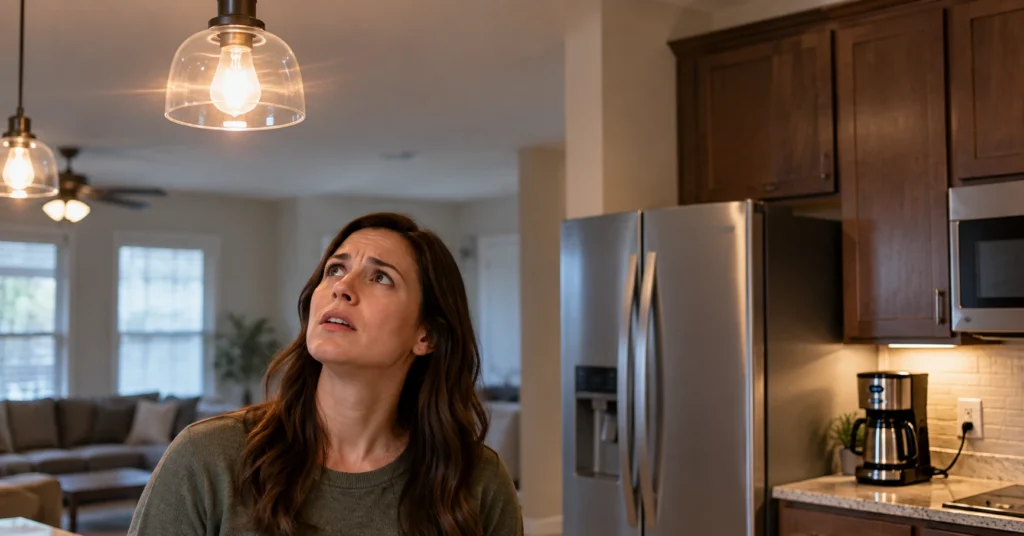
If your lights flicker when an appliance starts, it is often because the appliance briefly draws more electricity when it turns on. This is common with equipment such as air conditioners, refrigerators, washing machines, and dryers.
A quick flicker does not always mean there is an electrical problem. But if the lights flicker often, become noticeably dim, or the problem is getting worse, something may need to be checked.
For homeowners in Athens, TX, the key is knowing the difference between a brief flicker and a sign of an electrical issue.
Why Do Lights Flicker When an Appliance Turns On?
Lights can flicker when an appliance turns on because the appliance may briefly draw a large amount of electricity at startup. This is especially common with appliances that use motors or compressors.
For example, your air conditioner, refrigerator, or washing machine may need extra power for a moment when the motor starts. That short increase in electrical demand can cause a temporary drop in voltage, which you may notice as a quick flicker or slight dimming.
If the lights flicker for just a moment and return to normal right away, it may not be a serious problem. Occasional flickering can happen when large appliances start.
However, frequent or noticeable flickering should not be ignored. Loose electrical connections, overloaded circuits, damaged wiring, or problems with the electrical panel can also cause lights to flicker.
If the flickering is getting worse, happens in multiple rooms, or occurs with buzzing, burning smells, warm outlets, or repeated breaker trips, have a qualified electrician inspect the electrical system.
Is Brief Light Flickering Normal?
Yes, a very brief flicker when a large appliance starts can be normal in some homes, especially when the appliance has a motor or compressor.
For example, you may notice the lights dim for a second when your central AC starts. A refrigerator, washing machine, or other motor-driven appliance can cause a similar effect.
What matters is how often it happens and how noticeable the flickering is. If the lights quickly return to normal and the flicker only happens occasionally, there may not be a serious problem.
However, frequent or noticeable flickering can point to an electrical issue. Have your electrical system checked if the lights:
- Flicker frequently
- Become noticeably dim when an appliance starts
- Flicker in several rooms
- Keep flickering after the appliance turns on
- Flicker when no large appliance is running
- Become worse or more frequent over time
If you also notice buzzing, crackling, burning smells, warm outlets, sparks, or breakers that keep tripping, don’t ignore the problem. These signs can indicate a more serious electrical issue that needs professional attention.
Common Causes of Flickering Lights in Athens, TX Homes
The most common causes of flickering lights include high electrical demand, loose connections, overloaded circuits, aging wiring, electrical panel problems, and faulty appliances. Finding the exact cause matters because the right fix depends on what is causing the flickering.
1. High Electrical Demand
High electrical demand can cause a brief flicker when a large appliance starts because the appliance may draw extra current during startup.
Air conditioners, refrigerators, pumps, dryers, and other motor-driven appliances can use more electricity for a moment when they turn on. You may notice the lights dim briefly and then return to normal.
An occasional, very brief flicker may not be a serious concern. But if the lights dim significantly or the problem happens often, an electrician should check the electrical system.
2. Loose Electrical Connections
Loose electrical connections can cause lights to flicker and can become a safety concern if left unchecked.
A loose connection may occur at an outlet, switch, light fixture, circuit, or electrical panel. Poor connections can become hot as electricity passes through them and may get worse over time.
If flickering comes with buzzing, crackling, heat, or a burning smell, stop using the affected appliance or circuit if it is safe to do so and contact a qualified electrician.
3. Overloaded Circuits
An overloaded circuit can cause lights to flicker when several high-demand appliances are running or when another appliance starts. If you notice other signs of an overloaded electrical panel, have an electrician inspect the system.
For example, a circuit may already be handling several appliances when an AC, dryer, or other high-demand device turns on. The additional electrical load can make flickering more noticeable.
Frequent breaker trips are another sign that a circuit may be overloaded or have another electrical problem. An electrician can test the circuit and determine whether it can safely handle the electrical load.
4. Aging or Undersized Wiring
Old or undersized wiring can cause flickering when your home demands more electricity than the electrical system can safely handle.
Older homes may have wiring and electrical equipment designed for a time when households used far less electricity. Modern homes can have many devices running at once, including HVAC systems, kitchen appliances, computers, televisions, and chargers.
If flickering happens regularly, an electrician can inspect the wiring and electrical service to determine whether the system can handle your home’s current needs.
5. Electrical Panel Problems
Problems with the electrical panel can cause flickering by affecting how power is distributed throughout your home.
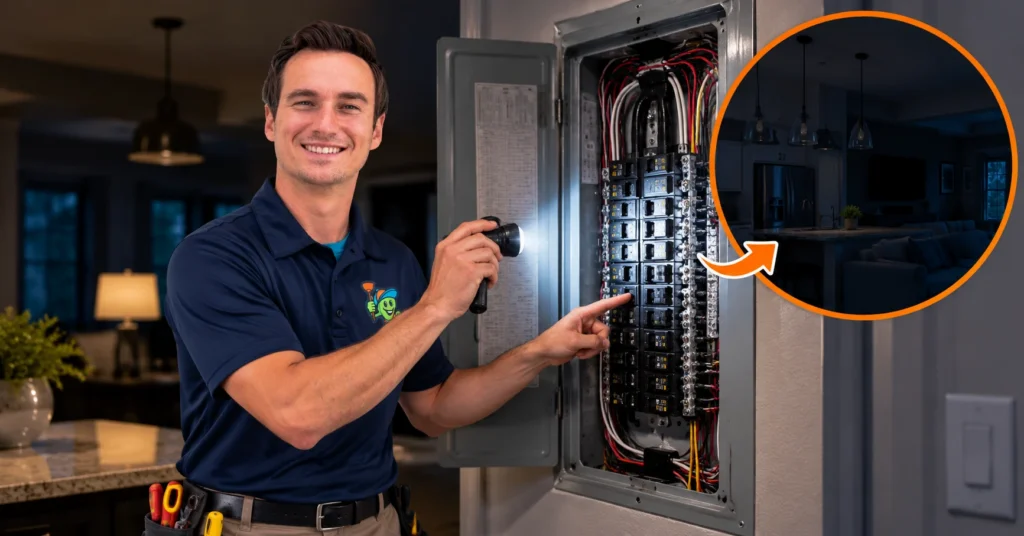
A faulty breaker, loose connection, damaged component, or other panel problem may cause lights to flicker when an appliance starts. If the flickering happens in multiple rooms, the panel or another part of the electrical system may need to be checked.
Do not remove the electrical panel cover or attempt to repair it yourself. Electrical panels can contain dangerous voltages even when some breakers are turned off. Have a qualified electrician diagnose the problem instead.
6. A Problem With the Appliance
A faulty appliance can cause flickering if its motor or compressor is drawing more electricity than it should when starting.
If your lights flicker every time you turn on the same appliance, that appliance may be an important clue. A failing motor, compressor, or other component can create an unusually high startup demand.
Tell your electrician which appliance triggers the flickering and how severe the problem is. This can help narrow down whether the issue is with the appliance, the circuit, or the home’s electrical system.
Which Appliances Commonly Cause Lights to Flicker?
Large appliances with motors, compressors, or heating elements are the most likely to cause a brief change in electrical demand when they start.
Common examples include:
- Central air conditioners
- Refrigerators
- Freezers
- Washing machines
- Clothes dryers
- Well pumps
- Sump pumps
- Large power tools
These appliances can draw extra electricity for a short time when they start. That temporary increase can sometimes cause nearby lights to dim or flicker briefly.
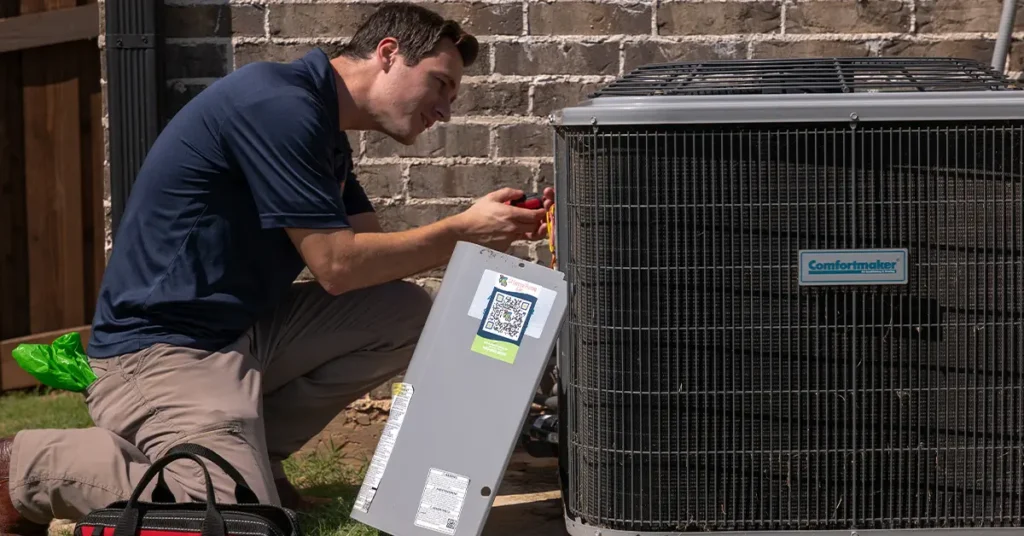
Your central AC is a common example. The compressor can require a higher amount of electricity when it starts, so you may notice a quick flicker when the system kicks on.
If your lights dim noticeably every time the AC or another large appliance starts, don’t assume the appliance is the only cause. An electrician can check the appliance, circuit, wiring, and electrical panel to find the source of the problem.
When Should You Be Concerned About Flickering Lights?
You should have flickering lights checked when the problem is frequent, severe, or happens along with other electrical warning signs.
A quick flicker when a large appliance starts may not be unusual. But persistent flickering can point to a problem with the wiring, circuit, electrical panel, or appliance.
Call a qualified electrician for an inspection if your lights:
- Flicker frequently throughout the day
- Become noticeably dim when an appliance starts
- Flicker in several rooms
- Keep flickering after the appliance turns on
- Flicker when no major appliance is running
- Get worse or happen more often over time
- Cause breakers to trip repeatedly
- Flicker along with buzzing or crackling sounds
- Occur near outlets or switches that feel unusually warm
- Come with a burning smell
- Happen whenever a particular appliance starts
These signs can help point to the source of the problem. For example, flickering in one area may involve a specific circuit, while flickering throughout the home may indicate a larger electrical issue.
If you notice sparks, smoke, a burning smell, or excessive heat around an electrical component, stop using the affected equipment if it is safe to do so and seek professional help promptly.
Can Flickering Lights Be a Fire Hazard?
Flickering lights do not always mean there is a fire hazard, but persistent flickering can be a warning sign of an electrical problem that should not be ignored.
Loose connections, damaged wiring, overloaded circuits, and faulty electrical components can create excess heat. If the problem continues, it may damage electrical equipment or increase the risk of an electrical fire.
Pay close attention if flickering happens along with:
- A burning smell
- Smoke
- Sparks
- Buzzing or crackling sounds
- Warm or hot outlets and switches
- Repeated breaker trips
These signs can indicate a more serious electrical problem. If you notice smoke, sparks, a burning smell, or excessive heat, stop using the affected appliance or circuit if you can do so safely and contact a qualified electrician.
Don’t remove electrical panel covers or try to repair wiring yourself. A professional can find the source of the flickering and determine whether the problem involves the appliance, circuit, wiring, or electrical panel.
Why Athens, TX Homeowners May Notice This Problem
Athens, TX homeowners may notice flickering lights when their electrical system has to handle a sudden increase in demand, especially when large appliances start.
The age and condition of your home’s electrical system can make a difference. Flickering lights in your home can have several possible causes, especially when electrical demand increases.
Older homes may have wiring, circuits, or electrical service that were designed for lower electrical demand. Modern homes often have many appliances and devices running at the same time.
Your HVAC system can also make the flickering more noticeable. An air conditioner can draw a significant amount of electricity when its compressor starts, especially during hot Texas weather when the system may run frequently.
Other factors can include:
- The age and condition of the wiring
- The electrical panel and breakers
- The number of appliances running at once
- The condition of large appliances
- The home’s overall electrical load
- The capacity of the electrical service
Because several issues can cause the same symptom, simply replacing a light bulb may not solve the problem. If the flickering keeps happening, an electrician can inspect the system and determine whether the cause is the appliance, circuit, wiring, or electrical panel.
What Should You Do If Your Lights Keep Flickering?
If your lights keep flickering, first note when the problem happens and which appliance or circuit seems to trigger it, then have a qualified electrician inspect the issue if it continues.
A few simple details can help identify the cause. Pay attention to:
- Which appliance was starting: Was it the AC, refrigerator, dryer, washing machine, or another large appliance?
- Which lights flickered: Did the problem affect one light, one room, or several rooms?
- How long the flicker lasted: Did the lights flicker for a split second or stay dim?
- Whether a breaker trips: A breaker that trips when an appliance starts can be an important warning sign.
- Whether other symptoms occur: Look for buzzing, crackling, unusual heat, sparks, or a burning smell.
This information can give an electrician useful clues when diagnosing the problem.
Don’t open your electrical panel, repair wiring, or try to tighten electrical connections yourself. Electrical systems can carry dangerous voltages, and improper repairs can create a serious safety risk.
If one appliance consistently causes severe flickering, avoid using it until the problem has been checked. An electrician can determine whether the issue comes from the appliance, circuit, wiring, or electrical panel.
How Does an Electrician Diagnose Flickering Lights?
An electrician diagnoses flickering lights by checking the appliance, circuit, wiring, electrical panel, and overall electrical load to find where the problem is coming from. If the cause is unclear, electrical repair services can help address the underlying issue.
The inspection may include:
- Checking the electrical panel: The electrician looks for faulty breakers, loose connections, or other signs of a panel problem.
- Testing voltage and circuits: Electrical tests can help identify unusual voltage changes when appliances turn on.
- Inspecting connections: Loose or damaged connections can cause intermittent flickering and need to be checked.
- Checking for overloaded circuits: The electrician can determine whether a circuit is carrying more electrical load than it should.
- Inspecting outlets and switches: Damaged or loose outlets and switches can sometimes contribute to flickering.
- Checking accessible wiring: The electrician may look for signs of damaged, aging, or improperly connected wiring.
- Evaluating the appliance: If the flickering happens whenever one appliance starts, the appliance itself may be part of the problem.
- Evaluating electrical service capacity: The electrician can determine whether your home’s electrical system can safely handle its current demand.
The goal is to find the actual source of the flickering rather than simply replacing the affected light or bulb.
Once the cause is identified, the electrician can explain whether you need a repair, circuit changes, appliance service, wiring work, or another solution.
Frequently Asked Questions
Why do my lights flicker when my AC turns on?
Your AC may cause a brief flicker because its compressor can draw extra electricity when it starts. A quick flicker may happen occasionally, but frequent or noticeable dimming should be checked to rule out an electrical or HVAC problem.
Is it normal for lights to dim when a refrigerator starts?
A brief dimming can happen when a refrigerator compressor starts because the motor may briefly draw more electricity. If the lights dim significantly or this happens often, have the electrical system inspected.
Can a bad breaker cause lights to flicker?
Yes, a faulty breaker can contribute to flickering lights. An electrician can test the breaker and circuit to determine whether the problem is with the breaker, wiring, or another electrical component.
Can old wiring cause flickering lights?
Yes, old or damaged wiring can cause lights to flicker, especially when the electrical demand in your home increases. An electrician can inspect the wiring and determine whether it can safely handle your home’s current electrical load.
Are flickering lights dangerous?
Flickering lights are not always dangerous, but persistent flickering can signal an electrical problem. Take it more seriously if you also notice buzzing, burning smells, sparks, hot outlets, or repeated breaker trips.
Why are all the lights in my house flickering?
If lights throughout your home are flickering, the problem may involve the electrical panel, service, main connections, or another part of the system that affects multiple circuits. A qualified electrician should inspect the system to find the cause.
Should I call an electrician if my lights keep flickering?
Yes, you should call an electrician if the flickering is frequent, severe, getting worse, or happening with other electrical warning signs. A professional can identify the cause and determine whether the problem involves the appliance, circuit, wiring, or electrical panel.
Final Thoughts
If your lights flicker when an appliance starts, a brief flicker may be caused by the appliance’s temporary increase in electrical demand, but frequent or severe flickering should be checked.
Large appliances such as air conditioners, refrigerators, and washing machines can briefly draw more electricity when they start. In some homes, that can cause a quick dimming of the lights.
However, flickering can also result from loose connections, overloaded circuits, aging wiring, electrical panel problems, or a faulty appliance.
For homeowners in Athens, TX, pay attention to when the flickering happens and whether you notice other warning signs. If the lights keep flickering, become noticeably dim, or are accompanied by buzzing, burning smells, sparks, or repeated breaker trips, contact a qualified electrician.
Finding the cause early can help prevent a small electrical issue from becoming a larger and more expensive problem.