A water heater can suddenly stop working because of an electrical problem, failed heating component, gas supply issue, sediment buildup, pressure problem, leak, or corrosion. Sometimes the cause is easy to spot. Other times, the water heater may fail without much warning.
You may notice that the water stays cold, the heater makes strange noises, the pilot light keeps going out, or water starts collecting around the tank. These signs can point to different problems depending on the type and age of your water heater.
Some issues, such as a tripped breaker, may have a simple explanation. Others, including gas problems, electrical faults, or a leaking tank, need professional attention.
In this guide, we’ll cover the most common causes of sudden water heater failure, the warning signs to watch for, what you can safely check, and when it’s time to call a professional.
Why Did My Water Heater Suddenly Stop Working?
Your water heater may have suddenly stopped working because of a failed heating component, electrical problem, gas-supply issue, thermostat failure, or damage inside the tank.
The exact cause depends on the type of water heater you have. Electric water heaters commonly stop heating because of a tripped breaker, failed heating element, faulty thermostat, or wiring problem. A simple power issue can sometimes explain the sudden loss of hot water.
Gas water heaters can stop working when the pilot light goes out or when there is a problem with the ignition system, thermocouple, burner, gas supply, or control valve. If you smell gas, leave the area and contact your gas utility or a qualified professional.
A leaking tank needs a closer look. A leak from a connection or valve may be repairable, but water leaking from the tank itself often means the tank has corroded and needs replacement.
If your water heater stopped working without warning, start with the simple, safe checks. Look for a tripped breaker if you have an electric unit, check for visible leaks, and look for an error code on a newer system. If the problem involves gas, electrical components, repeated breaker trips, or a leaking tank, have a qualified professional diagnose it.
10 Common Causes of Sudden Water Heater Failure
1. Tripped Circuit Breaker
A tripped circuit breaker can suddenly cut power to an electric water heater and leave you with little or no hot water.
Electric water heaters need a lot of power to heat the water. If the circuit overloads or the heater develops an electrical problem, the breaker may trip as a safety measure.
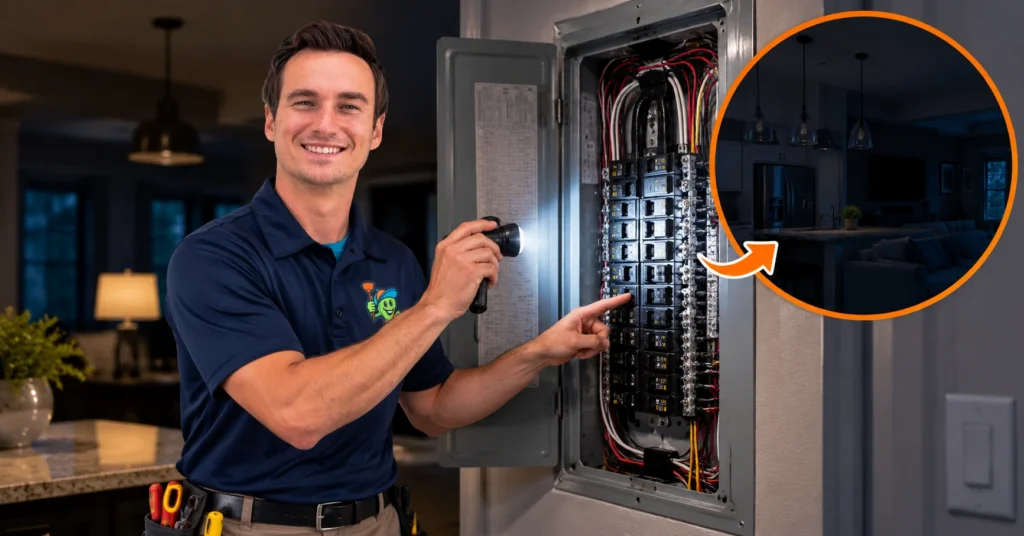
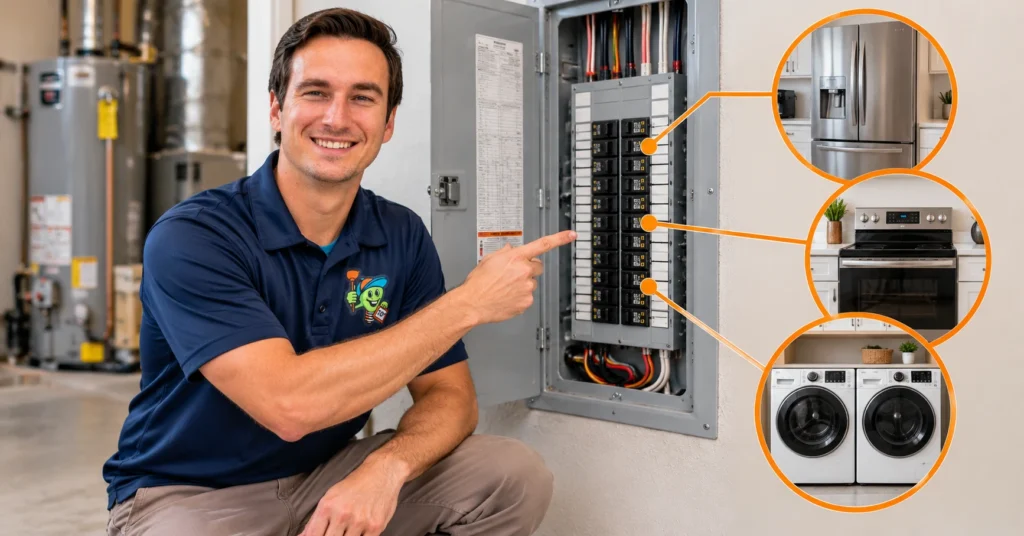
Check your electrical panel for a breaker that has moved to the off or middle position. If you find one, you can reset it according to the manufacturer’s instructions.
If the breaker trips again, don’t keep resetting it. A repeated trip may point to a failed heating element, damaged wiring, or another electrical problem. Learn more about the common reasons a circuit breaker keeps tripping, and have a qualified professional inspect the system.
2. Failed Heating Element
A failed heating element can prevent an electric water heater from heating the water properly or leave you with no hot water at all.
Most traditional electric water heaters have two heating elements. They work together to heat the water in the tank. When one starts to fail, you may still get some hot water, but it may run out much faster than normal.
You may have a failed heating element if:
- The water never gets fully hot
- You run out of hot water much faster than usual
- The heater takes a long time to heat the tank
- The water stays cold even though the unit has power
- Hot water is available only for a short time
A technician can test the heating elements and confirm whether one needs to be replaced. Replacing a faulty element can often restore normal heating without replacing the entire water heater.
3. Faulty Thermostat
A faulty thermostat can cause your water heater to stop heating properly or make the water much hotter or colder than it should be.
The thermostat tells the heating element or burner when to turn on and off. If it stops working correctly, the heater may not maintain the right temperature.
You might notice:
- Water stays cold or barely gets warm
- Water temperature keeps changing
- Hot water runs out sooner than usual
- Water suddenly becomes too hot
- The heater does not seem to cycle normally
A thermostat can fail without showing any obvious signs from the outside. If the water temperature suddenly changes or becomes difficult to control, a technician can test the thermostat and other heating components.
4. Pilot Light or Ignition Problems
A gas water heater may suddenly stop producing hot water when the pilot light goes out or the ignition system fails.
The pilot light or electronic ignition starts the burner, which heats the water in the tank. If the burner cannot ignite, the water stays cold.
Several problems can cause ignition failure, including:
- A faulty thermocouple
- A damaged ignition component
- A dirty burner
- Poor ventilation or draft problems
- An interrupted gas supply
- A problem with the gas control valve
If the pilot light keeps going out, don’t assume relighting it will solve the problem permanently. Something may be causing it to shut off.
If you smell gas, do not try to troubleshoot or relight the water heater. Leave the area and follow your local gas utility’s emergency instructions. Have a qualified professional inspect the system before using it again.
5. Gas Supply Problems
A gas supply problem can stop a gas water heater from heating water because the burner cannot operate without a steady gas supply.
The issue could come from an interrupted gas supply, a closed or faulty gas valve, or another problem with the gas system. If your other gas appliances also stop working, the problem may affect the home’s gas supply rather than the water heater itself.
You may notice that:
- The burner does not ignite
- The pilot light will not stay lit
- The water remains cold
- Other gas appliances are also not working
Gas problems can be dangerous, so don’t try to repair gas lines, valves, or control components yourself. A qualified professional can safely check the gas supply and determine where the problem is.
6. Sediment Buildup Inside the Tank
Sediment buildup can make a water heater less efficient, slow down heating, and eventually contribute to component failure.
Minerals in the water can settle at the bottom of a storage tank. As the layer gets thicker, it can make it harder for the burner or heating element to transfer heat to the water.
You may notice:
- Popping or rumbling sounds from the tank
- Hot water takes longer to heat
- You run out of hot water sooner
- The heater uses more energy
- The unit struggles to maintain the desired temperature
Sediment is especially common in homes with hard water. Regular maintenance can help reduce buildup and keep the water heater working efficiently. If the tank already has heavy sediment buildup, a professional can determine whether flushing or other maintenance is appropriate for the unit.
If your water heater is making these sounds, learn more about the common causes of water heater making popping noise.
7. A Leaking Water Heater
A leaking water heater can cause water damage and may indicate anything from a loose connection to a failing tank.
First, find where the water is coming from. A leak around a pipe connection, fitting, or valve may be repairable. But if water is coming from the tank itself, internal corrosion may have damaged the tank. In that case, replacing the water heater is often the practical solution.
Common signs of a leaking water heater include:
- Water pooling around the base
- Dripping from a pipe or connection
- Water coming from a valve
- Rust or corrosion around the tank
- Moisture around the bottom of the unit
If you have an electric model and notice water collecting underneath the unit, see our guide to electric water heater leaking from the bottom for possible causes.
If you find water around the heater, turn off the water supply if you can do so safely. If the unit is electric and water has reached electrical components, avoid touching the heater and shut off power only if it is safe to do so. Then contact a qualified professional.
8. Failed Temperature and Pressure Relief Valve
A failed temperature and pressure relief valve can cause water to leak from the valve and may indicate a temperature or pressure problem inside the water heater.
The T&P relief valve is a safety device found on most storage-tank water heaters. It is designed to release water if the temperature or pressure inside the tank becomes too high.
A faulty valve may:
- Drip or leak continuously
- Release water unexpectedly
- Fail to close properly
- Show signs of corrosion or damage
A leaking T&P valve does not always mean the valve itself is the root cause. Excessive water pressure, thermal expansion, or an overheating problem may also be involved.
Never cap, block, or remove the T&P relief valve to stop a leak. It is a critical safety device. Have a qualified professional inspect the valve and the water heater to find the actual cause.
9. Excessive Water Pressure or Thermal Expansion
Excessive water pressure or thermal expansion can put extra stress on a water heater and contribute to leaks and premature component failure.
Water expands as it heats. In a closed plumbing system, that extra volume has nowhere to go, so pressure can rise inside the system. If the home’s water pressure is already too high, the added pressure can put even more strain on the water heater and plumbing.
You may notice:
- A leaking temperature and pressure relief valve
- Dripping or damaged plumbing connections
- Frequent leaks around the water heater
- Unusual pressure changes
- Premature wear on water heater components
A plumber can measure your home’s water pressure and check whether thermal expansion is contributing to the problem. Depending on the plumbing system, a pressure-reducing valve or expansion tank may help control excess pressure.
10. Age and Internal Tank Corrosion
An old or heavily corroded water heater can fail suddenly when the tank becomes too weak to hold water safely.
Storage water heaters deal with heat, water, pressure, and minerals every day. Over time, these conditions can cause the tank to corrode from the inside. The anode rod helps protect the tank from corrosion, but it wears down over time and eventually needs inspection or replacement.
Signs that an aging water heater may be nearing failure include:
- Rust around the tank
- Water leaking from the tank
- Rust-colored hot water
- Frequent repairs
- Rumbling or popping noises
- Reduced hot-water performance
- Visible corrosion around connections
Once the tank itself develops a significant leak, repairing the tank usually isn’t a practical option. Replacement is generally necessary.
A water heater can work normally for years and then develop a serious problem with little warning. Regular inspections and maintenance can help catch worn components and corrosion before they lead to a complete failure.
Why Is My Water Heater Not Heating Water?
Your water heater may not be heating because of a power problem, failed heating component, gas or ignition issue, mineral buildup, or a system fault.
The best place to start is with the type of water heater you have. Electric, gas, and tankless systems have different components, so the likely cause can vary.
Electric Water Heater
An electric water heater that is not heating may have a tripped breaker, failed heating element, faulty thermostat, or electrical problem.
Check these common causes:
- Tripped circuit breaker: The heater may not be getting power.
- Failed heating element: A burned-out element can reduce or stop hot-water production.
- Faulty thermostat: The thermostat may not be telling the heating element when to turn on.
- High-temperature cutoff: A safety cutoff may have shut the heater down.
- Damaged wiring: Loose or damaged wiring can interrupt power to the heater.
- Other electrical faults: A failed internal component can also stop the system from heating.
You can safely check the electrical panel for a tripped breaker. If the breaker trips again, don’t keep resetting it. Have a qualified professional inspect the heater.
Gas Water Heater
A gas water heater may stop heating because the pilot light is out, the ignition system has failed, or the burner is not receiving the gas it needs.
Common causes include:
- Pilot light is out: The burner cannot ignite without a working pilot or ignition system.
- Ignition problem: A faulty igniter can prevent the burner from starting.
- Bad thermocouple: A faulty thermocouple can shut off the gas supply as a safety measure.
- Burner problem: Dirt or damage can prevent the burner from heating the water properly.
- Gas supply issue: An interruption in the gas supply can stop the heater from working.
- Faulty control valve: A problem with the gas control valve can affect burner operation.
- Ventilation or safety issue: Some systems shut down when they detect unsafe operating conditions.
If you smell gas, do not try to relight or repair the water heater. Leave the area and contact your local gas utility or emergency service.
Tankless Water Heater
A tankless water heater may stop producing hot water because of a power or gas interruption, mineral buildup, a flow problem, or an internal system fault.
Common causes include:
- Power interruption: The unit needs electricity to operate its controls and ignition system.
- Gas supply problem: Gas-powered models need a steady gas supply to heat water.
- Mineral buildup: Scale can restrict water flow and reduce heating performance.
- Dirty filter: A clogged inlet filter can restrict the water entering the unit.
- Flow-sensor problem: The heater may not detect enough water flow to activate.
- Overheating protection: The system may shut down to protect itself.
- Error code: A displayed code can point to a specific operating problem.
If your tankless water heater has a display, check for an error code and look it up in the manufacturer’s manual. If you can’t resolve the issue with the recommended basic steps, have a qualified technician diagnose the system.
Yes. The issue is that the section is too long without a subheading. You can fix it by dividing the signs into two logical groups.
Signs Your Water Heater May Be About to Fail
The most common signs of a failing water heater include inconsistent water temperature, reduced hot-water supply, unusual noises, leaks, rusty water, repeated breaker trips, and visible corrosion.
A water heater may show warning signs days, months, or even longer before it stops working completely. Paying attention to these changes can help you catch a problem before it turns into a major leak or leaves you without hot water. For a more detailed checklist, see these signs of a failing water heater.
Common Water Heater Performance Problems
Here are some signs that your water heater may be struggling to heat and supply hot water properly:
- Hot water takes longer to arrive: If you wait longer than usual for hot water, the heater may be struggling to heat the tank or maintain its temperature.
- You run out of hot water faster: A drop in hot-water capacity can point to a failing heating element, sediment buildup, or another heating problem.
- Water temperature keeps changing: Fluctuating temperatures can indicate a thermostat or heating-component problem.
- The heater makes popping or rumbling sounds: These noises often occur when sediment builds up inside a storage tank.
- The unit makes new or unusual noises: Changes in sound can indicate sediment buildup or a component that is wearing out.
- Your energy bills suddenly increase: A struggling water heater may use more energy to heat the same amount of water.
Warning Signs of Leaks, Corrosion, and Electrical Problems
Some signs indicate physical damage or problems that may require prompt attention:
- Hot water looks rusty: Rust-colored water can be a sign of corrosion inside the tank or a deteriorating anode rod.
- Water collects around the heater: A leak can come from a connection, valve, or the tank itself. A leaking tank may need replacement.
- The pilot light keeps going out: Repeated pilot-light problems can point to a thermocouple, gas supply, burner, or ignition issue.
- The circuit breaker keeps tripping: Repeated trips can indicate an electrical fault or a problem with the water heater.
- You see rust or corrosion: Corrosion around the tank, fittings, or connections can signal an aging or deteriorating system.
Does a Warning Sign Mean You Need a New Water Heater?
These signs do not always mean you need a new water heater. Some problems, such as a faulty thermostat, heating element, valve, or other component, may be repairable.
However, a leaking or heavily corroded tank usually requires replacement. If you notice several warning signs at the same time, have the water heater inspected before the problem gets worse.
This structure should resolve the subheading distribution warning because the long section is now broken up with descriptive subheadings.
What to Check When Your Water Heater Suddenly Stops Working
If your water heater suddenly stops working, start with a few simple checks such as testing another hot-water faucet, checking the breaker, looking for leaks, and checking for error codes.
You do not need to take the water heater apart to identify some common problems. The goal is to find obvious signs without putting yourself at risk.
Step 1: Check Whether You Have Hot Water Anywhere
Check another hot-water faucet to see whether the problem affects the whole house.
If every faucet runs cold, the water heater or its power, gas, or water supply may be the problem. If only one faucet has no hot water, the issue may be with that faucet or its plumbing instead.
Step 2: Check the Electrical Panel
If you have an electric water heater, start by checking the electrical panel for a tripped breaker. When the breaker is off or in the middle position, follow the manufacturer’s instructions to reset it. Should it trip again, avoid resetting it repeatedly and contact a qualified professional.
Repeated trips can point to an electrical or water-heater problem that needs professional attention.
Step 3: Check the Temperature Setting
A thermostat set too low can make the water feel colder than usual.
Check the temperature setting on the water heater or control panel and make sure it has not been changed accidentally. Follow the manufacturer’s instructions when making any adjustment.
Do not remove electrical covers or work on internal components just to check the thermostat.
Step 4: Look for Visible Leaks
Check around the water heater for signs of a leak before doing anything else.
Look for:
- Water pooling near the unit
- Dripping pipes or connections
- Moisture around valves
- Water coming from the bottom of the tank
- Rust or corrosion around fittings
If water is near electrical components, do not touch the equipment. A significant leak should be inspected by a qualified professional.
Step 5: Check for Error Codes
If you have a tankless or newer water heater with a digital display, check the screen for an error code.
Write down the code and look it up in the manufacturer’s manual. The code may identify problems with water flow, ignition, temperature, sensors, or another system component.
Avoid guessing at repairs based only on an error code. If the recommended basic troubleshooting does not solve the problem, have the unit professionally diagnosed.
Step 6: Stop If the Problem Involves Gas or Electricity
Stop troubleshooting and call a qualified professional if the problem involves gas, exposed wiring, burning smells, repeated breaker trips, or internal electrical components.
Do not repair gas lines, burners, electrical wiring, or safety controls unless you have the proper training and equipment. These components can create serious fire, electrical, or gas hazards.
A professional can safely test the system, identify the failed component, and determine whether the water heater needs a repair or replacement.
Is a Water Heater Failure an Emergency?
A water heater failure is an emergency when it creates a gas, electrical, pressure, or major water-leak hazard; a simple loss of hot water usually is not.
Not every water heater problem needs emergency service. The important thing is to look for signs that could put people, the home, or the plumbing system at risk.
Call for Immediate Help If You Notice:
- A strong gas smell: Leave the area immediately and follow your local gas utility’s emergency instructions.
- Smoke: Smoke from the water heater can indicate an electrical, gas, or mechanical problem.
- A burning electrical smell: This may point to overheating wiring or another electrical fault.
- A major water leak: A large leak can quickly cause water damage to floors, walls, and nearby equipment.
- Water spraying from the unit: Pressurized water escaping from the heater needs immediate attention.
- Extremely hot water: Water that suddenly becomes much hotter than normal can indicate a thermostat or temperature-control problem and create a scalding risk.
- Signs of excessive pressure: A leaking or repeatedly discharging pressure-relief valve should be inspected promptly.
- Water near electrical components: Do not touch the water heater or exposed electrical parts. This can create a serious shock hazard.
If you smell gas, do not try to relight the pilot, operate electrical switches, or use an open flame near the suspected leak. Leave the area and contact the appropriate gas emergency service from a safe location.
If the heater simply produces less hot water or takes longer to heat, it usually does not require emergency service. However, persistent changes should still be checked because they can be early signs of a failing component.
When in doubt, treat gas smells, electrical hazards, major leaks, and signs of excessive pressure as urgent problems rather than trying to diagnose them yourself.
Can a Failed Water Heater Be Repaired?
Yes, many water heater problems can be repaired if the tank is still in good condition and the problem comes from a replaceable component.
A water heater does not always need to be replaced when it stops working. A technician can test the system, find the failed part, and determine whether repairing it makes sense.
Common problems that may be repairable include:
- Failed heating elements: A damaged heating element in an electric water heater can often be replaced.
- Faulty thermostats: A bad thermostat can usually be replaced without replacing the entire unit.
- Pilot or ignition problems: Some failed ignition components on gas water heaters can be repaired or replaced.
- Thermocouple problems: A faulty thermocouple can prevent a gas water heater from operating properly.
- Certain valve problems: A damaged valve may be replaceable if the tank itself is still sound.
- Some electrical component failures: Certain electrical problems can be repaired after a proper diagnosis.
Repair may not be the best option when the tank itself is leaking or badly corroded. Once the tank has significant internal damage, replacing it is usually more practical than trying to repair it.
You may also want to consider replacement if the water heater is very old, needs frequent repairs, or has had several major component failures.
The right choice depends on the condition of the tank, the failed component, repair cost, energy efficiency, and expected remaining service life. A professional inspection can help you understand whether repairing the existing unit or replacing it makes more sense.
Water Heater Repair vs. Replacement
A water heater can often be repaired when the problem involves a replaceable component, but replacement may be the better option when the tank is leaking, badly corroded, very old, or failing repeatedly.
| Problem | Repair May Be Possible | Replacement May Be Needed |
| Failed heating element | Yes | Usually no |
| Faulty thermostat | Yes | Usually no |
| Pilot or ignition problem | Often | Sometimes |
| Minor valve problem | Often | Usually no |
| Leaking tank | Usually no | Often |
| Severe tank corrosion | Usually no | Often |
| Repeated major failures | Sometimes | May be more practical |
| Older, inefficient unit | Sometimes | May make sense |
A failed heating element, thermostat, ignition component, or valve can usually be replaced without installing a new water heater. These repairs are often practical when the tank is still in good condition.
Replacement becomes more likely when the tank itself is leaking or heavily corroded. A storage tank that has developed a serious leak generally cannot be repaired reliably because the damage is inside the tank. If replacement is necessary, understanding the water heater replacement cost can help you plan for the project.
The age and condition of the water heater also matter. If an older unit needs frequent repairs, replacing it may make more sense than continuing to pay for individual repairs. A newer system with one failed component may be a better candidate for repair.
A professional inspection can help determine whether the problem is limited to one component or whether the water heater is nearing the end of its service life. The decision should consider the repair cost, the unit’s age and condition, energy efficiency, and the likelihood of additional problems.
How Long Do Water Heaters Usually Last?
Most traditional tank water heaters last about 8 to 12 years, while tankless water heaters can often last 15 to 20 years or longer with proper maintenance.
Actual lifespan depends on the type of water heater, installation quality, water quality, usage, and maintenance. Learn more about the typical water heater lifespan and the factors that can affect how long a unit lasts. A well-maintained unit may last longer, while hard water, heavy use, poor maintenance, or improper installation can shorten its service life.
Tank water heaters gradually wear down as the tank is exposed to heat, water, minerals, and pressure. Over time, sediment can build up, and internal corrosion can weaken the tank. The anode rod also wears out and may need replacement to help protect the tank from corrosion.
Tankless water heaters do not store water in a tank, so they avoid some of the corrosion problems associated with traditional tank systems. However, they still need regular maintenance, especially in areas with hard water. Mineral buildup can affect the heat exchanger and reduce performance.
Age alone does not always mean you need a new water heater. Consider the unit’s overall condition, repair history, efficiency, and maintenance record.
However, a leaking or severely corroded tank usually needs replacement, even if the water heater has otherwise worked well. Once the tank itself fails, replacing the unit is generally more practical than trying to repair the tank.
How to Prevent Sudden Water Heater Failure
You cannot prevent every water heater failure, but regular maintenance can reduce wear, catch problems early, and lower the risk of an unexpected breakdown.
Flush the Tank
Flushing the tank can help remove sediment that builds up over time, if your water heater manufacturer recommends this maintenance.
Sediment can settle at the bottom of a storage tank and make the system work harder. It can also contribute to popping or rumbling noises and reduced heating performance.
Follow the manufacturer’s instructions for flushing your specific water heater. If you are unsure how to do it safely, have a professional handle the maintenance.
Inspect the Anode Rod
Checking the anode rod can help protect a storage water heater from internal corrosion.
The anode rod is designed to corrode before the steel tank does. Over time, the rod wears down and becomes less effective. Replacing it when needed can help extend the life of the tank.
Check for Leaks
Checking for small leaks regularly can help you catch water heater problems before they cause significant damage.
Look around the tank, pipes, fittings, valves, and connections for moisture, dripping water, rust, or corrosion. A small leak may come from a connection or valve, while water coming directly from the tank can indicate internal corrosion.
Monitor Water Pressure
Keeping household water pressure within a safe range can reduce stress on the water heater and plumbing system.
High water pressure can contribute to leaks, valve problems, and premature wear. If you notice recurring leaks or pressure-related problems, have a qualified professional check the home’s water pressure and plumbing system.
Schedule Professional Maintenance
Professional maintenance can identify worn components, corrosion, sediment buildup, pressure problems, and other issues before they cause a sudden failure.
A technician can inspect the water heater, test important components, and recommend repairs when needed. Regular inspections can also help you plan for replacement before the unit fails completely.
Follow the Manufacturer’s Maintenance Instructions
Following the manufacturer’s maintenance instructions is one of the best ways to keep your water heater operating safely and efficiently.
Different models have different maintenance requirements. The recommended service schedule can also vary based on the type of water heater, water quality, and usage. Always follow the instructions for your specific model and use qualified help when a maintenance task involves gas, electricity, or internal components.
When Should You Call a Plumber?
You should call a qualified plumber when basic safety checks do not solve the problem or when the water heater shows signs of a leak, gas issue, electrical fault, pressure problem, or serious damage.
For professional water heater services, a qualified plumber can inspect the system and identify the underlying problem.
Water Heater Problems That Need Professional Help
Professional service is especially important if:
- The water heater is leaking: A plumber can determine whether the leak comes from a connection, valve, or the tank itself.
- The pilot light keeps going out: This can point to an ignition, thermocouple, burner, gas supply, or control problem.
- The tank shows significant corrosion: Heavy corrosion can weaken the tank and may mean replacement is necessary.
- The unit makes loud or unusual noises: Popping, rumbling, banging, or other new sounds can indicate sediment buildup or a failing component.
- There is no hot water after basic troubleshooting: A professional can test the heating, electrical, gas, and control components to find the actual cause.
- You need to decide between repair and replacement: A plumber can assess the unit’s age, condition, repair needs, and remaining service life.
Gas and Electrical Warning Signs
Some water heater problems can create safety risks and should not be handled as DIY repairs:
- The breaker repeatedly trips: Repeated trips can indicate an electrical fault or a problem with the heating system.
- You smell gas: Leave the area and follow your local gas utility’s emergency instructions. Do not try to repair or relight the water heater.
- You suspect an electrical problem: Exposed wiring, burning smells, or repeated breaker trips should be handled by a qualified professional.
- The water is dangerously hot: Excessively hot water can create a scalding risk and may indicate a thermostat or temperature-control problem.
Why a Professional Diagnosis Matters
A professional diagnosis is important because the failed component may not be the real cause of the problem. For example, replacing a relief valve without checking excessive water pressure may not solve the underlying issue.
Getting the problem diagnosed correctly can help you avoid unnecessary repairs and determine whether repairing the existing water heater or replacing it makes more sense.
This should resolve the “subheading distribution” warning because the long section is now divided into multiple sections, with no large block exceeding the recommended length without a subheading.
Frequently Asked Questions About Sudden Water Heater Failure
Why would a water heater suddenly stop working?
A water heater can suddenly stop working because of a power problem, failed heating component, gas or ignition issue, sediment buildup, excessive pressure, a leak, or internal tank corrosion.
What is the most common reason a water heater stops heating?
For an electric water heater, common causes include a tripped breaker, failed heating element, or faulty thermostat. Gas water heaters may stop heating because of a pilot-light, ignition, burner, gas supply, or control problem.
Why is my water heater not producing hot water?
If your water heater is not producing hot water, check for a tripped breaker on an electric model and look for error codes on a modern unit with a digital display. If these basic checks do not identify the problem, the heater may need professional diagnosis.
Can a water heater stop working because of a breaker?
Yes, a tripped circuit breaker can cut power to an electric water heater and prevent the heating elements from working.
If the breaker trips again after you reset it, do not keep resetting it. Repeated trips can indicate an electrical fault or a problem with the water heater that needs professional attention.
Why did my gas water heater suddenly stop working?
A gas water heater can suddenly stop working because of a pilot-light problem, ignition failure, faulty thermocouple, gas supply issue, burner problem, or safety-control fault.
If you smell gas, do not try to relight the pilot or troubleshoot the heater. Leave the area and contact your local gas utility or appropriate emergency service from a safe location.
How do I know if my water heater needs to be replaced?
Your water heater may need replacement if the tank is leaking, severely corroded, very old, or requiring repeated major repairs.
A failed heating element or thermostat can often be repaired without replacing the entire unit. A professional can inspect the water heater and compare the repair cost, condition, age, and expected remaining service life.
Can a leaking water heater be repaired?
A leaking water heater can sometimes be repaired if the leak comes from a pipe connection, fitting, or valve.
If the tank itself is leaking because of internal corrosion, replacing the water heater is usually necessary. A corroded tank cannot normally be repaired reliably.
Is it safe to use a water heater that is leaking?
A leaking water heater should be inspected promptly because the safety depends on the source and severity of the leak.
A small leak from a connection may not require emergency service, but a major leak, water near electrical components, a gas smell, extremely hot water, or signs of excessive pressure require immediate attention. Do not touch the equipment if doing so could expose you to gas, electricity, or hot water.
How can I prevent sudden water heater failure?
Regular maintenance can reduce the risk of sudden water heater failure by helping catch worn components, sediment buildup, corrosion, leaks, and pressure problems early.
Follow the manufacturer’s maintenance recommendations, inspect for leaks, check the anode rod when applicable, manage sediment buildup, and have the system professionally inspected when needed. These steps can help extend the water heater’s service life and reduce unexpected breakdowns.
Final Thoughts
A water heater can fail suddenly because of electrical problems, failed heating components, pilot or ignition issues, sediment buildup, pressure problems, leaks, or internal corrosion.
Start by identifying whether you have an electric, gas, or tankless water heater. Then check for simple, safe signs such as a tripped breaker, error code, visible leak, or unusual change in performance.
Avoid attempting repairs involving gas lines, electrical wiring, pressure-relief components, or internal controls unless you have the proper training. These parts can create serious safety risks.
If the water heater is leaking, repeatedly trips the breaker, produces dangerously hot water, smells like gas, or stops producing hot water, have a qualified plumber inspect it. A proper diagnosis can identify the underlying problem and help determine whether repair or replacement makes the most sense.