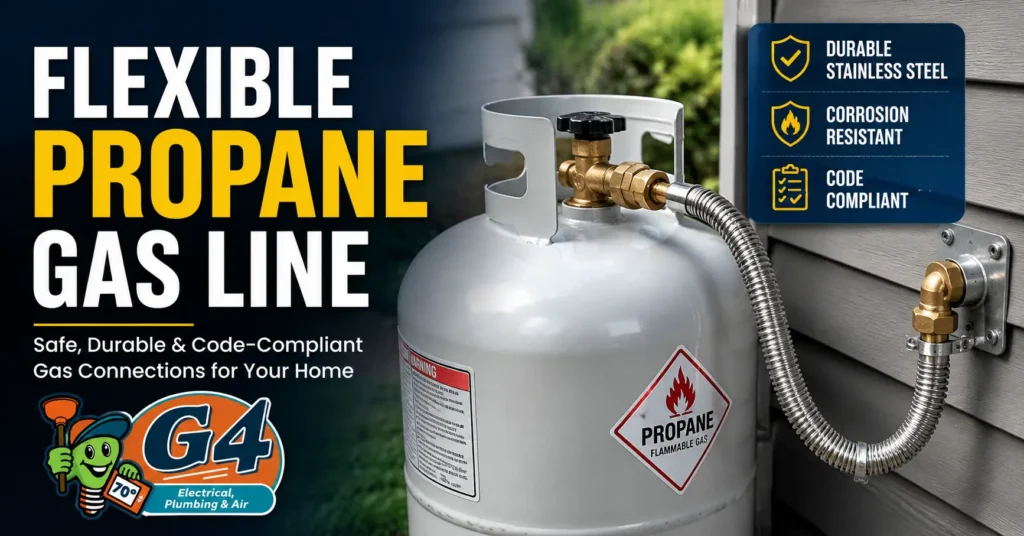
A flexible propane gas line can safely carry propane when you use the right type of line for the application and follow local fuel-gas codes. Common options include CSST, flexible appliance connectors, and outdoor-rated gas lines. Each serves a different purpose, so you can’t use them interchangeably.
The right flexible gas line depends on where you install it, the appliance’s BTU demand, gas pressure, length of the run, and local code requirements. A connector that works for a propane stove, for example, may not meet the requirements for permanent piping, outdoor exposure, or underground installation.
Before installing or replacing any propane gas line, check the product listing and manufacturer instructions. If you’re unsure which line you need, have a qualified gas professional confirm the correct type and size for the job.
What Is a Flexible Propane Gas Line?
A flexible propane gas line is approved piping or a connector designed to carry propane to an appliance or other approved equipment. Unlike rigid metal pipe, flexible gas piping can bend around obstacles, which can make some installations easier and reduce the number of fittings.
Common types include:
- Corrugated stainless steel tubing (CSST)
- Flexible appliance connectors
- Outdoor flexible gas connectors
- Flexible piping approved for underground use
These products don’t all serve the same purpose. Always choose a flexible propane line that’s listed for the specific fuel, location, and application. For example, an appliance connector doesn’t automatically qualify as permanent gas piping.
Flexible Gas Pipe vs. Flexible Gas Hose
Flexible gas pipe and flexible gas hoses serve different purposes, so you shouldn’t use them interchangeably.
CSST can form part of a permanent propane gas-piping system when you install the listed product according to its manufacturer’s instructions and applicable code.
A flexible appliance connector typically provides the final connection between the gas supply and an appliance. It doesn’t automatically replace the permanent gas piping that supplies the appliance.
Outdoor flexible gas connectors also have specific uses and installation limits.
Check the product listing and manufacturer’s instructions before installing any flexible propane gas line. If you’re unsure whether a particular product is suitable for your application, have a qualified professional verify it.
Where Can You Use Flexible Propane Gas Lines?
You can use a flexible propane gas line for approved appliances and equipment when the specific product is listed for propane and suitable for the installation location.
Depending on the product, flexible gas lines can connect or supply:
- Propane appliances
- Outdoor grills
- Fire pits
- Patio heaters
- Pool equipment
- Spa equipment
- Other approved propane equipment
The product listing matters. A flexible connector designed for an outdoor grill doesn’t automatically qualify for permanent piping or underground use.
Always check the product’s approved applications before installation.
Can You Use a Flexible Propane Line Underground?
You can use flexible propane piping underground only when the product specifically allows underground or direct-burial installation.
Don’t bury an ordinary flexible gas hose because it looks durable. Underground piping faces moisture, soil movement, corrosion, and physical damage.
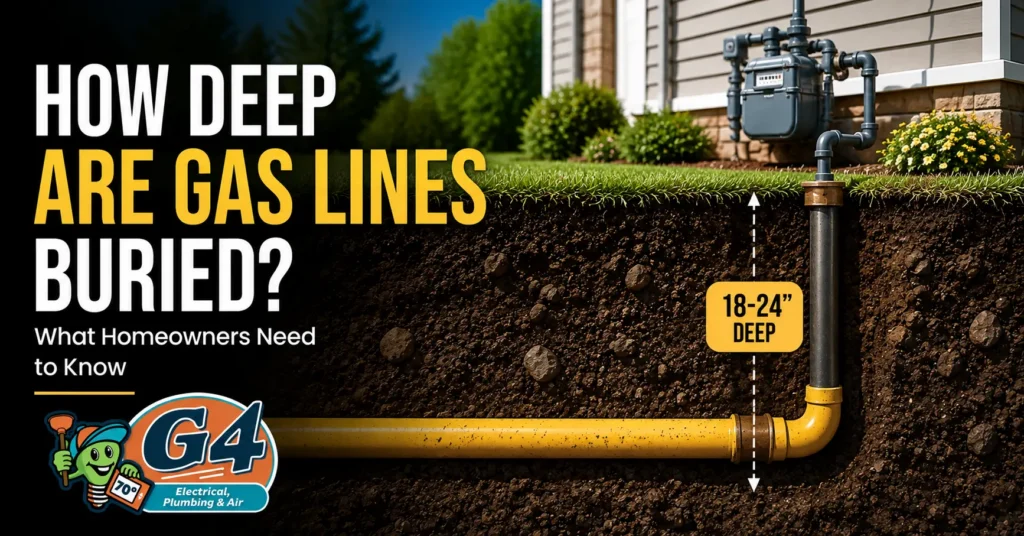
A product approved for underground use must meet the requirements for that environment. Local codes may also specify burial depth, protection, and installation methods. If you’re planning an underground installation, understanding how deep gas lines are buried can help you plan the work safely.
Check both the manufacturer’s instructions and local fuel-gas code before installing any propane line underground.
Can You Use Flexible Propane Line Outdoors?
Yes, some flexible propane lines are designed for outdoor use, but you must choose a product approved for outdoor installation.
Outdoor piping can face sunlight, rain, temperature changes, abrasion, and accidental impact.
Before installing the line, check the manufacturer’s instructions for approved outdoor applications, connection methods, exposure limits, and required protection.
What Types of Flexible Propane Gas Lines Are Available?
The main types of flexible propane gas lines include CSST, appliance connectors, outdoor flexible connectors, and flexible piping approved for underground use. Each type has a different purpose, so choosing the right one matters.
CSST
CSST (corrugated stainless steel tubing) is flexible gas piping that can form part of a permanent propane gas system when the product and installation meet applicable code requirements.
This type of tubing comes in long, flexible sections, making it easier to route around obstacles than rigid pipe. That flexibility can reduce the number of fittings needed in some installations.
Proper installation still requires the correct pipe size, approved fittings, and compliance with the manufacturer’s instructions. Some CSST systems also require bonding and other protective measures, depending on the product and local code.
Flexible Gas Connectors
Flexible gas connectors typically connect an appliance to the building’s gas supply piping.
They make appliance connections easier and can allow an appliance to move for cleaning or servicing.
However, an appliance connector isn’t automatically a substitute for permanent gas piping. Use it only within the applications allowed by the product listing and manufacturer instructions.
Outdoor Flexible Gas Lines
Outdoor flexible gas connectors provide flexible connections for approved propane equipment used outside.
They’re commonly used with equipment such as:
- Gas grills
- Fire features
- Patio heaters
- Other approved outdoor appliances
Choose a connector that’s listed for propane, the appliance, operating pressure, and outdoor conditions.
Underground Flexible Gas Piping
Underground flexible gas piping must carry specific approval for underground or direct-burial installation.
Not every flexible propane product can withstand underground conditions. Soil moisture, corrosion, movement, and physical damage can affect gas piping below grade.
Before installing flexible propane piping underground, verify the product listing, manufacturer instructions, required burial depth, and local fuel-gas code.
What Are the Code Requirements for Flexible Propane Gas Lines?
Flexible propane gas lines must meet the fuel-gas code adopted in your area, the product listing, and the manufacturer’s installation instructions.
Codes such as the National Fuel Gas Code (NFPA 54) and International Fuel Gas Code (IFGC) provide model requirements, but your state or local jurisdiction may add or change certain rules.
Requirements can cover:
- Approved pipe materials
- Pipe sizing
- Gas pressure
- Connections and fittings
- Protection from physical damage
- Corrosion protection
- Underground installation
- Required clearances
- Bonding
- Pressure testing
- Inspection
Don’t assume that a product labeled “flexible gas line” works for every propane application. The product must match the fuel, pressure, location, and intended use. Gas piping requirements can also affect the overall gas line installation cost, especially when permits, specialized fittings, testing, or additional protection are required.
Does Flexible Propane Piping Need to Be Listed?
Yes, flexible propane piping should carry the appropriate listing for propane and the specific application.
The listing shows that the manufacturer designed and tested the product for approved uses.
Before buying a flexible propane line, confirm that it is approved for:
- Propane gas
- Your operating pressure
- The intended installation location
- Indoor or outdoor use
- Above-ground or underground use, when applicable
If the product listing doesn’t clearly cover your application, choose a different product or consult a qualified gas professional.
Does Flexible Propane Piping Need Protection?
Flexible propane piping may need protection when the installation exposes it to impact, heat, corrosion, abrasion, or other hazards.
The required protection depends on the product and where you install it.
For example, an exposed gas line may need protection from physical impact. An underground installation may require corrosion protection or other measures specified by the code and manufacturer.
Don’t use a generic protection method without checking the product instructions and local code. The correct protection depends on the specific piping system and installation conditions.
How Do You Choose the Right Flexible Propane Gas Line?
Choose a flexible propane gas line based on the appliance’s BTU demand, gas pressure, run length, installation location, and the product’s approval.
Don’t choose a gas line simply because its connection matches the appliance. The entire gas run must deliver enough propane at the required pressure.
Before selecting a flexible propane line, consider:
- Total BTU demand
- Propane operating pressure
- Length of the gas run
- Required pipe diameter
- Number of fittings and connections
- Indoor or outdoor location
- Above-ground or underground installation
- Manufacturer requirements
- Local fuel-gas code
An undersized line can restrict gas flow and cause poor appliance performance. In some cases, the appliance may struggle to operate correctly or maintain the required pressure.
What Size Flexible Propane Line Do You Need?
The correct flexible propane line size depends on the gas demand, operating pressure, run length, and applicable gas-piping sizing tables.
Don’t size the line based only on the appliance’s connection size. Two appliances can have the same connection size but require different gas-line sizes because their BTU demands and piping distances differ.
For example, a high-BTU appliance located far from the propane source may need a larger gas line than a lower-BTU appliance with a short run.
Use the applicable fuel-gas sizing method and manufacturer specifications to determine the correct size. If you’re unsure, have a qualified gas professional size the line before installation.
How Is a Flexible Propane Gas Line Installed?
A flexible propane gas line must follow the applicable fuel-gas code, product instructions, and required testing and inspection procedures. Gas piping needs proper sizing, approved components, secure connections, and leak testing before the system goes into service.
Plan the Gas Run
Start by determining the appliance location, gas demand, pipe route, and code requirements.
The installer needs to account for:
- Gas demand
- Operating pressure
- Run length
- Pipe size
- Connection points
- Physical-damage risks
- Installation location
Good planning helps prevent undersized piping and unnecessary connections.
Select the Approved Piping
Choose flexible piping specifically listed for propane and approved for the intended installation.
Check the product’s listing and manufacturer instructions before purchasing it. Don’t substitute an ordinary hose or connector simply because it looks similar to the approved product.
Make the Connections
Use the fittings and connection methods specified by the piping manufacturer.
Every connection must match the approved piping system. Improper fittings or connections can cause leaks and create a serious safety hazard.
Protect the Piping
Protect the flexible gas line wherever the code or manufacturer requires protection from physical damage or other hazards.
The required protection depends on where the line runs and the specific product you use. Follow the manufacturer’s instructions rather than relying on a generic installation method.
Pressure-Test the System
Test the completed gas-piping system as required by the applicable code before putting it into service.
Pressure testing helps identify leaks and installation problems before propane flows through the system. The required test method and pressure depend on the applicable code and system.
Complete Required Inspection
Complete any required inspection before putting the propane system into service.
Permit and inspection requirements vary by jurisdiction. If local rules require an inspection, don’t skip it or put the system into operation before approval.
Can You Install a Flexible Propane Gas Line Yourself?
You should have a qualified professional handle flexible propane gas-line work unless your local rules allow you to perform the work and you have the required knowledge and qualifications.
Propane is highly flammable, and a poorly sized line, damaged fitting, or leaking connection can create a serious safety hazard. Gas piping also requires proper testing and compliance with applicable codes.
Local rules may require:
- Permits
- Licensed or qualified professionals
- Pressure testing
- Inspections
- Approved materials and fittings
If you’re installing new propane piping, moving an existing gas line, or connecting to an existing propane system, check your local requirements before starting the work. When in doubt, hire a qualified gas professional for gas line services rather than taking a risk with a fuel-gas system.
What Are the Common Mistakes With Flexible Propane Gas Lines?
The most common flexible propane gas-line mistakes involve using the wrong product, incorrect sizing, poor connections, or ignoring code and manufacturer requirements.
Using the Wrong Type of Flexible Line
Using a flexible gas product for an application it wasn’t designed for can create a serious safety hazard.
For example, an appliance connector may not qualify for permanent gas piping or underground installation. Always check the product listing before using it.
Using an Appliance Connector as Permanent Piping
An appliance connector typically provides the final connection between approved gas piping and an appliance.
Don’t assume you can use a flexible appliance connector to replace the entire gas-piping run. Follow the product’s listed application and manufacturer’s instructions.
Using a Non-Listed Product
Use only flexible gas piping or connectors listed for propane and the intended application.
A generic flexible hose may look similar to an approved gas connector, but appearance doesn’t tell you whether it’s suitable for propane.
Choosing the Wrong Pipe Size
An incorrectly sized gas line can restrict gas flow and cause poor appliance performance.
Size the line based on the appliance’s BTU demand, operating pressure, run length, and applicable gas-piping sizing requirements.
Ignoring Manufacturer Instructions
Always follow the manufacturer’s installation instructions for the specific flexible propane product.
The instructions can specify requirements for:
- Fittings
- Bending radius
- Support
- Protection
- Bonding
- Approved applications
- Connection methods
Installing the Line Where It Can Be Damaged
Protect flexible gas piping from impact, abrasion, excessive heat, and other conditions that could damage it.
The required protection depends on the installation and product. Follow the applicable code and manufacturer’s requirements for the specific location.
Skipping Pressure Testing or Inspection
Complete all required pressure testing and inspections before putting a new propane gas line into service.
Testing can identify leaks or installation problems before the system operates normally. If your local jurisdiction requires an inspection, don’t skip it.
How Long Does a Flexible Propane Gas Line Last?
A flexible propane gas line has no universal service life because its durability depends on the product, installation, environment, and manufacturer’s specifications.
A properly selected and installed line can provide long-term service, but exposure to moisture, sunlight, heat, physical impact, or corrosion can affect its condition.
Inspect accessible flexible gas piping for signs of:
- Corrosion
- Cracking
- Abrasion
- Kinks
- Physical damage
- Damaged or deteriorated fittings
- Other visible deterioration
Follow the manufacturer’s inspection and replacement recommendations for the specific product. If you’re unsure about the condition of a gas line, have a qualified professional inspect it.
When Should You Replace a Flexible Propane Gas Line?
Replace or have a flexible propane gas line inspected when you notice physical damage, corrosion, deterioration, or signs of a gas leak.
Watch for:
- Visible cracks
- Corrosion
- Severe kinks
- Abrasion
- Damaged fittings
- Loose connections
- Impact damage
- Propane odor
If you smell propane, leave the area immediately and avoid flames, sparks, and anything that could ignite the gas. Once you’re in a safe location, contact your propane supplier or emergency services.
Never attempt to repair a leaking propane gas line yourself.
Frequently Asked Questions
What is a flexible propane gas line?
A flexible propane gas line is approved flexible piping or a connector designed to carry propane for a specific application. Common examples include CSST and flexible appliance connectors.
Can you use a flexible gas line for propane?
Yes, but only when the product is specifically listed and approved for propane use. Check the product listing and manufacturer’s instructions before installation.
Can flexible propane gas lines be used underground?
Some flexible propane piping can go underground, but only products approved for underground or direct-burial use should be installed below grade. Check local code and the manufacturer’s requirements before installation.
Can you use a flexible propane line outdoors?
Yes, some flexible propane lines are designed for outdoor use. Make sure the product carries the appropriate approval and follow its outdoor installation requirements.
What size flexible propane gas line do I need?
The correct size depends on BTU demand, operating pressure, pipe length, and the applicable gas-piping sizing requirements. Don’t choose the size based only on the appliance connection.
Is CSST safe for propane?
Yes, CSST can safely carry propane when you use a product listed for propane and install it according to the manufacturer’s instructions and applicable code.
Can you connect a propane appliance with a flexible gas line?
Yes, an approved flexible appliance connector can connect a propane appliance to the gas supply when the product and installation meet applicable requirements.
How long does a flexible propane gas line last?
Its service life depends on the product, installation conditions, exposure, and manufacturer specifications. Inspect accessible piping for damage and follow the manufacturer’s maintenance recommendations.
Can I install a flexible propane gas line myself?
Local rules may allow some gas-piping work by homeowners, but propane piping requires proper sizing, connections, testing, and code compliance. Use a qualified professional when required or whenever you’re unsure about the work.
Final Thought
A flexible propane gas line can make certain installations easier when you choose the right product and follow the applicable fuel-gas code.
CSST, appliance connectors, outdoor flexible connectors, and underground-rated piping serve different purposes and aren’t interchangeable.
Before installing flexible propane piping, confirm the product listing, pipe size, gas pressure, installation location, and local requirements. For new gas piping, relocation, or connections to an existing propane system, use a qualified professional when required.
If you smell propane or suspect a leak, leave the area immediately and avoid flames, sparks, and other ignition sources. Once you’re in a safe location, contact your propane supplier or emergency services.