A light switch that feels noticeably hot can point to an electrical problem, especially if it is hotter than usual or the heat keeps increasing. A loose connection, overloaded circuit, worn switch, or incompatible dimmer can cause a switch to heat up.
A little warmth can be normal with some dimmer switches. But a standard switch should not feel hot to the touch. If you also notice flickering, buzzing, a burning smell, or discoloration, stop using the switch and have it checked.
Why Is My Light Switch Hot to the Touch?
A light switch can get hot because of an overloaded circuit, a loose connection, a damaged switch, an incompatible dimmer, or too much electrical current. A slightly warm switch may be normal in some situations, but a switch that feels noticeably hot needs attention.
Here are the most common causes.
The Switch Is Overloaded
A switch can get hot when it is carrying more electrical load than it is designed to handle. For example, a switch controlling several lights may heat up if the total load exceeds its rating.
If the switch gets hotter the longer the lights stay on, don’t ignore it. Have the switch and circuit checked to make sure they can safely handle the load.
There Is a Loose Wire Connection
A loose electrical connection can create resistance and cause heat to build up around the switch. It may also cause the light to flicker or the switch to buzz.
You might notice that the light works normally one moment and then flickers or cuts out. A loose connection can become a bigger problem if left unattended.
Don’t remove the switch plate or handle the wiring yourself. Have a qualified electrician inspect the connection.
The Switch Is Worn Out or Damaged
A worn or damaged switch can heat up because its internal parts are no longer working properly. Switches can wear out over time, especially when they are used frequently.
You may notice that the switch feels loose, makes a buzzing sound, or feels much warmer than other switches in your home.
If the switch shows visible damage or becomes unusually hot, have it inspected and replaced if necessary.
The Dimmer Switch Produces Heat
Some dimmer switches naturally produce a small amount of heat during normal use. Unlike a standard on/off switch, a dimmer controls how much power reaches the lights, which can create some heat.
The dimmer should still stay within its rated load. If you use LED bulbs, make sure the dimmer is compatible with them.
If the dimmer becomes very hot, smells unusual, or causes the lights to flicker, have it checked.
The Circuit May Be Carrying Too Much Load
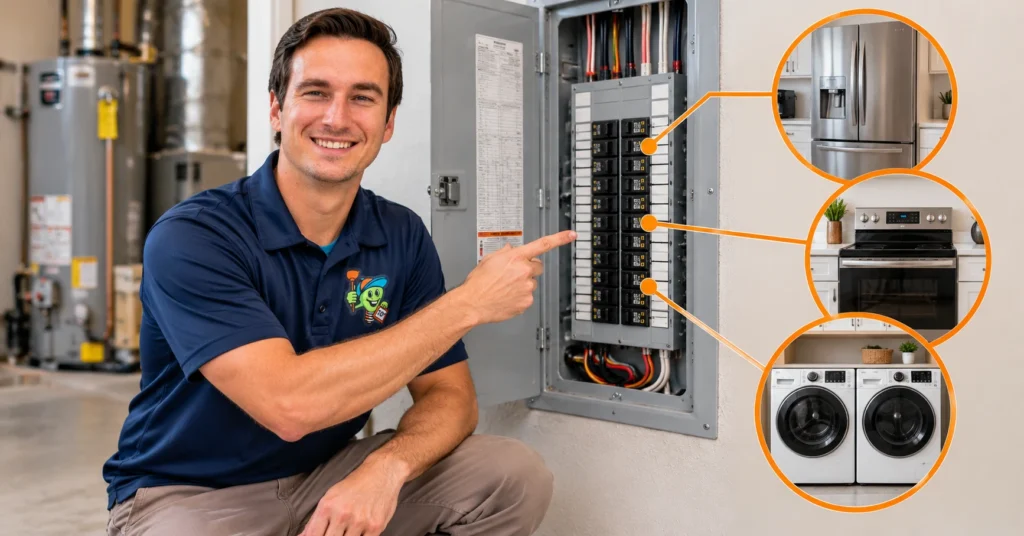
A circuit carrying too much electrical load can cause switches and connections to heat up. If you notice other signs of an overloaded electrical panel, have the electrical system inspected. This may happen when several lights or other electrical loads share the same circuit.
A hot switch does not automatically mean the entire circuit is overloaded, but the possibility should be checked when the switch also shows other warning signs.
If the switch becomes hot, flickers, buzzes, or repeatedly trips a breaker, stop using it and have an electrician inspect the circuit.
Is It Normal for a Light Switch to Feel Warm?
A slightly warm light switch can be normal, especially with some dimmer switches, but a standard switch that feels noticeably hot should be checked. The key difference is how warm the switch feels and whether the heat is getting worse over time.
Pay attention if the switch:
- Feels much hotter than other switches in your home
- Gets hotter the longer the light stays on
- Becomes too hot to touch comfortably
- Makes buzzing, crackling, or other unusual sounds
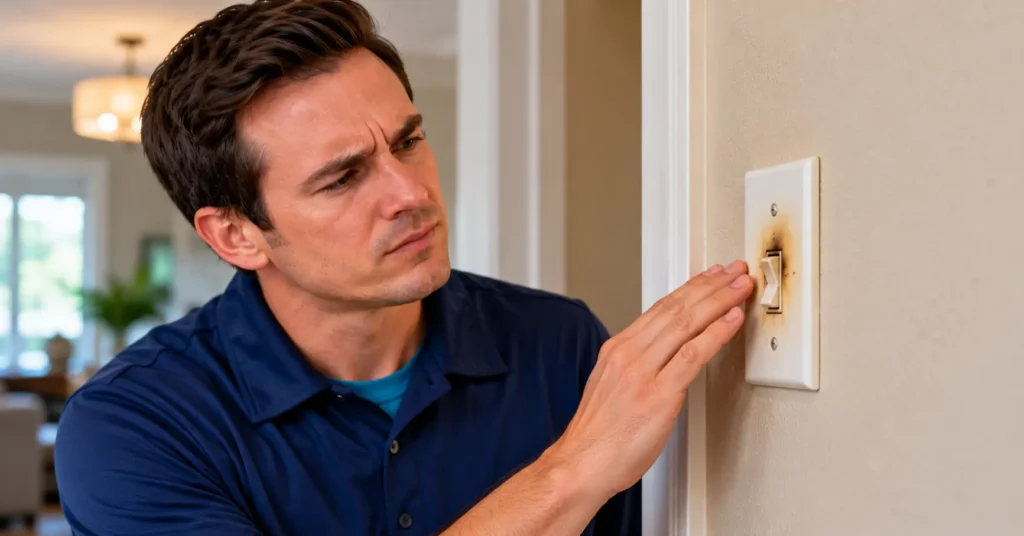
- Shows discoloration, scorch marks, or other damage
- Produces a burning or unusual electrical smell
If the switch suddenly becomes hot or the heat keeps increasing, stop using it and have a qualified electrician check the switch and circuit. A hot switch can sometimes indicate a loose connection, overloaded circuit, damaged switch, or another electrical problem.
When Is a Hot Light Switch Dangerous?
A hot light switch can be dangerous when the heat comes with a burning smell, buzzing, flickering, discoloration, or visible damage. These signs can point to an electrical problem that needs attention rather than normal heat from the switch.
Watch for these warning signs:
- Burning or electrical smell
- Buzzing, crackling, or popping sounds
- Lights that flicker or change brightness
- Scorch marks or dark discoloration
- Melted, warped, or damaged plastic
- Sparks from the switch
- A switch plate that becomes very hot
- A breaker that trips repeatedly
If you notice any of these signs, stop using the switch. If there is smoke, sparking, or a strong burning smell, move away from the area and seek professional help. Have a qualified electrician inspect the switch and circuit before using it again.
If the hot switch is also causing flickering lights in your home, the issue may involve the switch, wiring, or electrical connection.
What Should I Do If My Light Switch Is Hot?
If your light switch feels unusually hot, stop using it and have it checked by a qualified electrician. A hot switch can result from a loose connection, overloaded circuit, damaged switch, or another electrical problem.
Take these basic precautions:
- Turn off the light if you can do so safely.
- Avoid touching any exposed electrical parts.
- Do not remove the switch plate or try to inspect the wiring yourself.
- Keep paper, fabric, and other flammable materials away from the switch.
- Contact a qualified electrician if the switch stays hot or shows other warning signs.
If you smell burning, see smoke or sparks, or notice melted or discolored plastic, treat the situation as urgent. Move away from the area if necessary and get professional help.
Why Is My Dimmer Switch Hot?
A dimmer switch can feel slightly warm during normal use, but excessive heat can mean the dimmer is overloaded, incompatible with the bulbs, or damaged. Dimmers regulate the amount of power reaching the lights, so they can produce some heat while operating.
The problem is more likely when:
- The dimmer controls too many bulbs
- The total bulb wattage is higher than the dimmer’s rated load
- The LED bulbs are not compatible with the dimmer
- The dimmer is old, worn, or damaged
- The dimmer gets hotter the longer the lights stay on
Check the dimmer’s load rating and make sure it matches the bulbs being used. If the dimmer feels unusually hot, buzzes, flickers, or shows signs of damage, stop using it and have a qualified electrician inspect it.
Why Is One Light Switch Hot but the Others Are Normal?
If only one light switch feels hot, the problem may be limited to that switch, its wiring, or the electrical load it controls. The other switches staying cool does not mean the hot switch is safe.
For example, that switch may:
- Control several lights or a larger electrical load
- Be connected to a dimmer
- Have a worn or damaged component
- Have a loose electrical connection
- Be connected to a fixture with an electrical problem
If one switch feels noticeably hotter than the others, pay attention to any flickering, buzzing, burning smell, or discoloration.
Do not remove the switch or inspect the wiring yourself. A qualified electrician can check the switch and circuit to determine why it is getting hotter than the others.
When Should I Call an Electrician for a Hot Light Switch?
You should call an electrician if a light switch feels unusually hot, gets hotter over time, or shows other signs of an electrical problem. Do not ignore the issue, especially when the switch also makes noise, causes flickering, or shows visible damage.
Contact an electrician if you notice:
- A switch that feels very hot
- Heat that keeps increasing while the light is on
- Buzzing, crackling, or popping sounds
- Flickering or inconsistent lighting
- A burning or electrical smell
- Scorch marks or discoloration
- Melted or warped plastic
- Repeated breaker trips
- Sparks from the switch
An electrician can inspect the switch and circuit to find the cause. The problem could involve the switch, a loose connection, the electrical load, a dimmer, or another part of the circuit.
If you live in Athens, TX, you can contact G4 Electrical for electrician services in Athens, TX to have a hot or malfunctioning light switch inspected.
Frequently Asked Questions
Is it normal for a light switch to feel warm?
A slightly warm light switch can be normal, especially with some dimmer switches, but a standard switch that feels hot should be checked. If the heat increases or you notice other electrical symptoms, have the switch inspected.
Why is my light switch hot but not the others?
A hot switch may have a problem with its wiring, electrical load, switch, or dimmer. If the other switches stay cool, the issue may be limited to that particular switch or the circuit it controls.
Can a loose wire make a light switch hot?
Yes, a loose electrical connection can create resistance and cause a light switch to heat up. You may also notice flickering, buzzing, or intermittent operation. Have a qualified electrician check the connection.
Can a bad light switch overheat?
Yes, a worn or damaged light switch can become unusually hot during use. If the switch feels hotter than normal, makes noise, or shows visible damage, have it inspected.
Why does my dimmer switch get hot?
A dimmer switch can produce some heat during normal operation, but excessive heat can indicate an overloaded or incompatible setup. Make sure the dimmer’s rating matches the connected lights, especially when using LED bulbs.
Should I turn off a light switch if it gets hot?
If a light switch is unusually hot, stop using it and have the cause checked. If you notice smoke, sparks, a burning smell, melting, or other serious warning signs, treat the situation as urgent.
When should I call an electrician for a hot light switch?
Call an electrician if the switch stays hot, gets hotter over time, or shows signs such as buzzing, flickering, burning smells, scorch marks, or visible damage. These symptoms can indicate an electrical problem that needs professional attention.
Final Thoughts
A slightly warm dimmer switch can be normal, but a standard light switch that feels noticeably hot should not be ignored. A loose connection, overloaded circuit, damaged switch, or incompatible dimmer can cause a switch to heat up.
If the switch feels hot or you notice buzzing, flickering, a burning smell, scorch marks, or melted plastic, stop using it and have it inspected by a qualified electrician. Finding the cause early can help prevent further electrical problems and keep your Athens, TX home safer.